
服务热线
13313705507
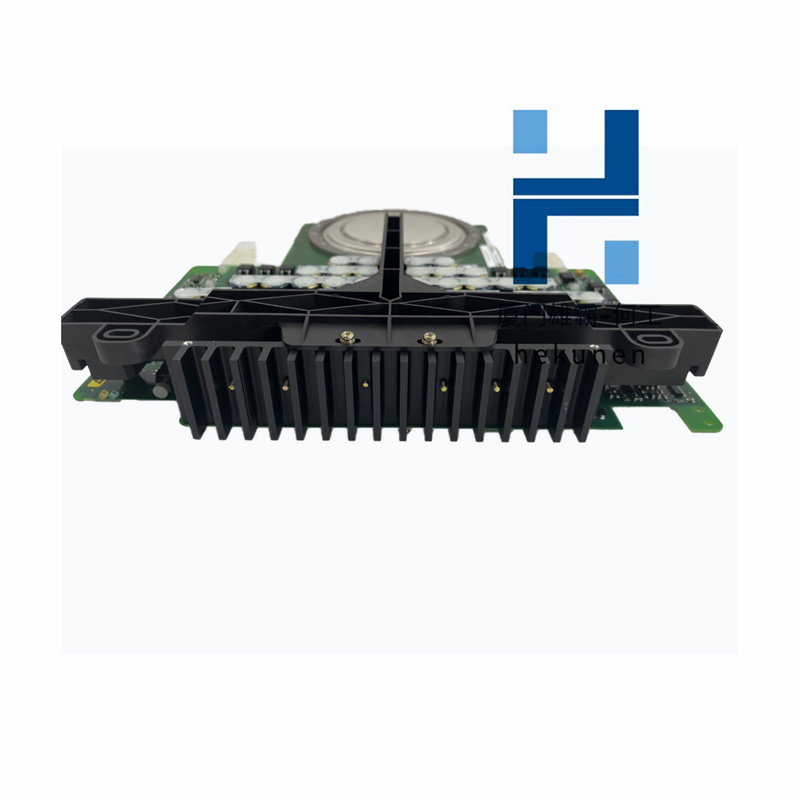
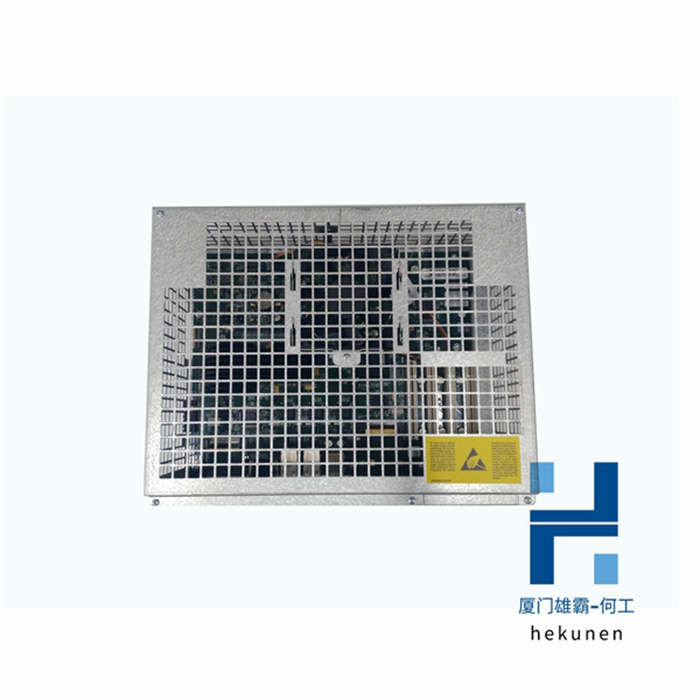
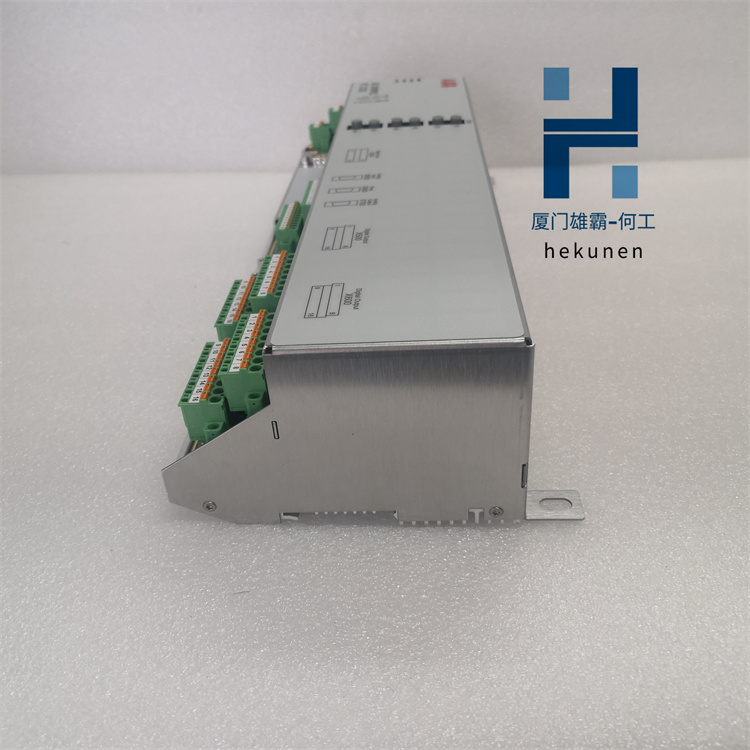
型号: ABB 3BHE039203R0101 GVC736CE101 ABB
分类: ABB系统备件
联系人:何经理
手机:13313705507
QQ:2235954483
邮箱:2235954483@qq.com
地址:厦门市思明区吕岭路1733号万科创想中心2009室
接近开关类型有NPN型和PNP型两种,对于PNP型的接近开关它的输出信号是高电平有效,也就是说当有检测物体靠近它时,其信号输出端就会有输出一个高电平;当检测物体远离接近开关时,它的信号输出端就会恢复到低电平。而对于NPN型接近开关它的输出信号是低电平有效,因此我们就知道,我们平时所用的接近开关是属于开关型的,也就是说接近开关在工作时要么输出的是高电平,要么输出的是低电平。
用万用表检测接近开关主要是检测它在电路工作中所输出的电压信号;另一种是在断电情况下测量接近开关信号输出端和电源接线端的阻值情况。我们常用的接近开关一般分为NPN型的和PNP型的,因此用万用表检测它的输出电压时要注意分清楚接近开关的三根线的性质,我们常见接近开关有三根线,它们分别是棕色线、蓝色线和黑色线,其中棕色线接直流24V电源正极;蓝色线接24V电源负极;黑色线是接近开关信号输出线。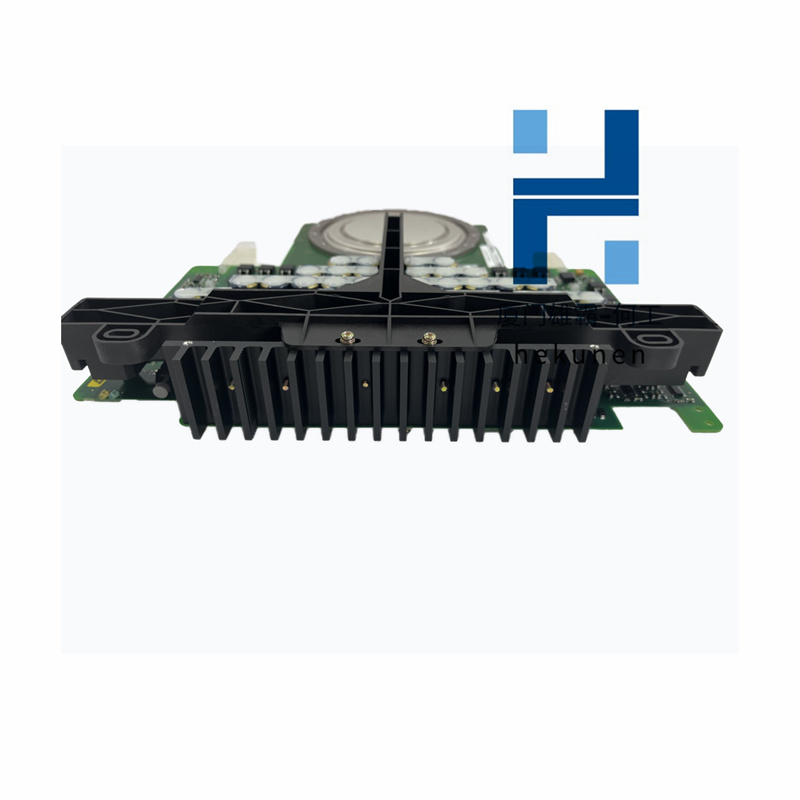
There are two types of proximity switches: NPN type and PNP type. For PNP type proximity switches, the output signal is effective at a high level, which means that when a detected object approaches it, the signal output terminal will output a high level; When the detected object moves away from the proximity switch, its signal output will return to a low level. For the NPN type proximity switch, its output signal is effective at low levels. Therefore, we know that the proximity switch we usually use belongs to the switch type, which means that the proximity switch either outputs a high level or a low level during operation.
Using a multimeter to detect proximity switches is mainly to detect the voltage signal it outputs during circuit operation; Another method is to measure the resistance between the output terminal of the proximity switch signal and the power supply terminal in the event of a power outage. The proximity switches we commonly use are generally divided into NPN type and PNP type. Therefore, when using a multimeter to test its output voltage, it is important to distinguish the properties of the three wires of the proximity switch. We commonly see three wires of the proximity switch, which are brown wire, blue wire, and black wire, with the brown wire connected to the positive pole of the DC 24V power supply; Connect the blue wire to the negative pole of the 24V power supply; The black line is the output line of the proximity switch signal.


如果您有任何问题,请跟我们联系!
联系我们