
服务热线
13313705507
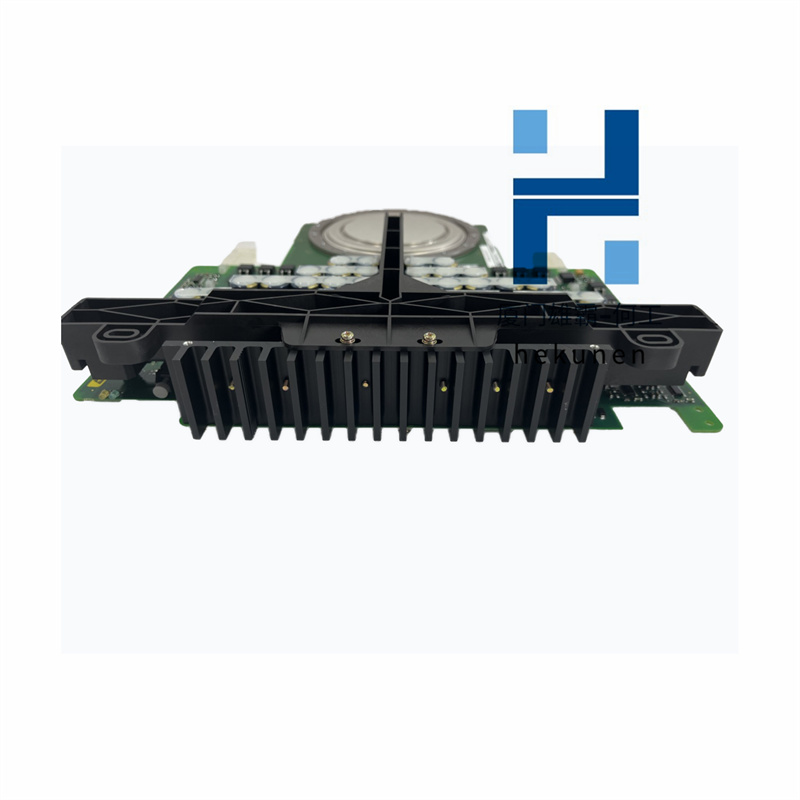
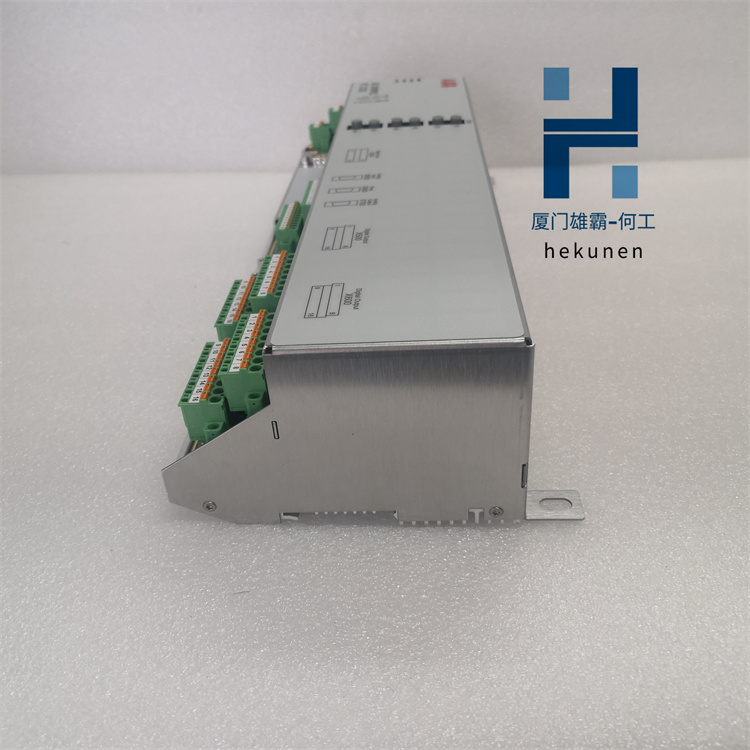
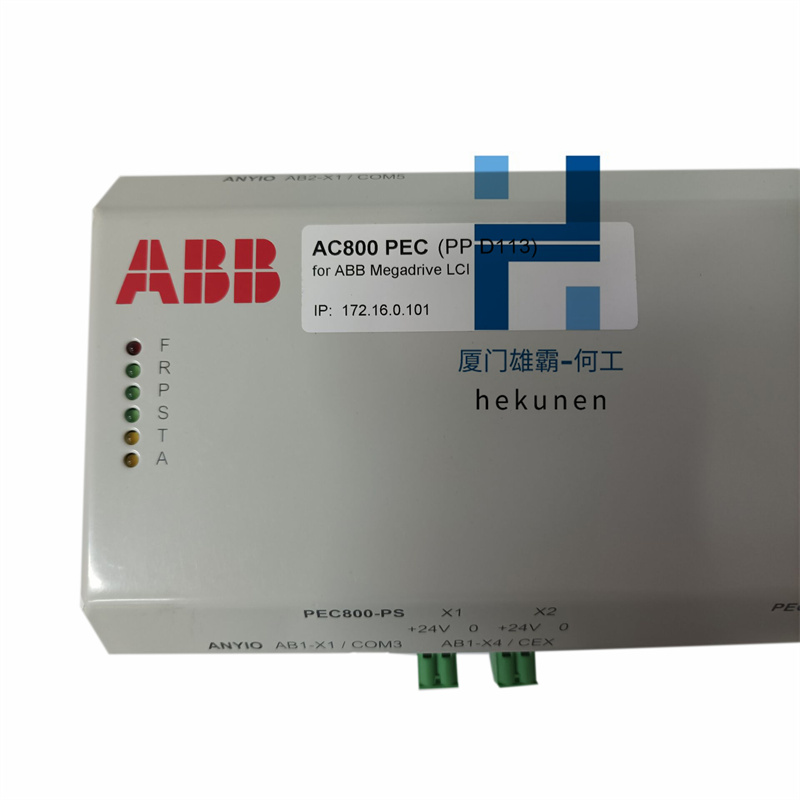
型号: ABB 3BHE014105R0001 ABB
分类: ABB系统备件
联系人:何经理
手机:13313705507
QQ:2235954483
邮箱:2235954483@qq.com
地址:厦门市思明区吕岭路1733号万科创想中心2009室
由于主电极的构造是对称的(都从N层引出),所以它的电极不像单向可控硅那样分别叫阳极和阴极,而是把与控制极相近的叫做电极A1,另一个叫做电极A2。双向可控硅的主要缺点是承受电压上升率的能力较低,这是因为双向可控硅在一个方向导通结束时,硅片在各层中的载流子还没有回到截止状态的位置,必须采取相应的保护措施。双向可控硅元件主要用于交流控制电路,如温度控制、灯光控制、防爆交流开关以及直流电机调速和换向等电路。可控硅在维持电流以上一直处于开通状态,关断电流高,控制困难,关断速度较慢。逆变环节中,在LCI(负载换相逆变器)中SCR具有优异表现,可做到超大功率,电压高、电流也大。二极管(Diode,不可控整流器件)和SCR(半可控)整流均不需要PMW即可满足两象限变频器工作,PWM需要用IGBT(全控)等器件。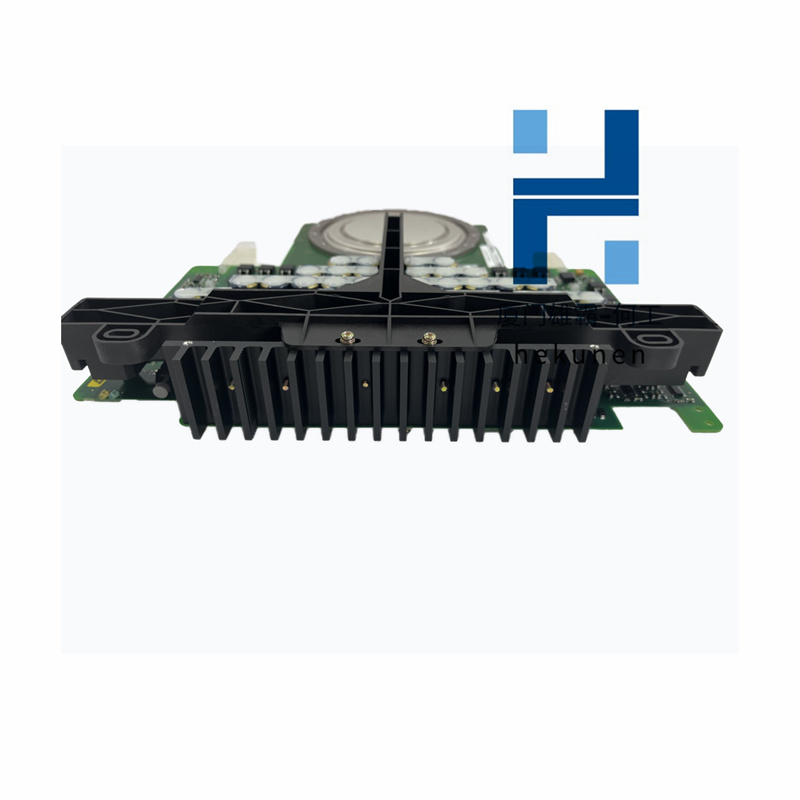
Due to the symmetrical structure of the main electrode (all led out from the N layer), its electrodes are not called anode and cathode respectively like unidirectional thyristors. Instead, the electrode that is close to the control electrode is called the first electrode A1, and the other is called the second electrode A2. The main disadvantage of bidirectional thyristor is its ability to withstand voltage rise rate is low. This is because when bidirectional thyristor completes conduction in one direction, the carriers in each layer of the silicon wafer have not yet returned to the cut-off position, and corresponding protective measures must be taken. Bidirectional thyristor components are mainly used in AC control circuits, such as temperature control, lighting control, explosion-proof AC switches, and DC motor speed regulation and commutation circuits. The thyristor is always in an open state above the maintenance current, with high turning off current, difficult control, and slow turning off speed. In the inverter stage, SCR has excellent performance in LCI (Load Commutated Inverter), which can achieve ultra-high power, high voltage, and high current. Diode (Uncontrollable Rectifier) and SCR (Semi Controllable) rectifiers do not require PMW to meet the operation of two quadrant inverters, while PWM requires devices such as IGBT (Fully Controlled).
如果您有任何问题,请跟我们联系!
联系我们