
服务热线
13313705507
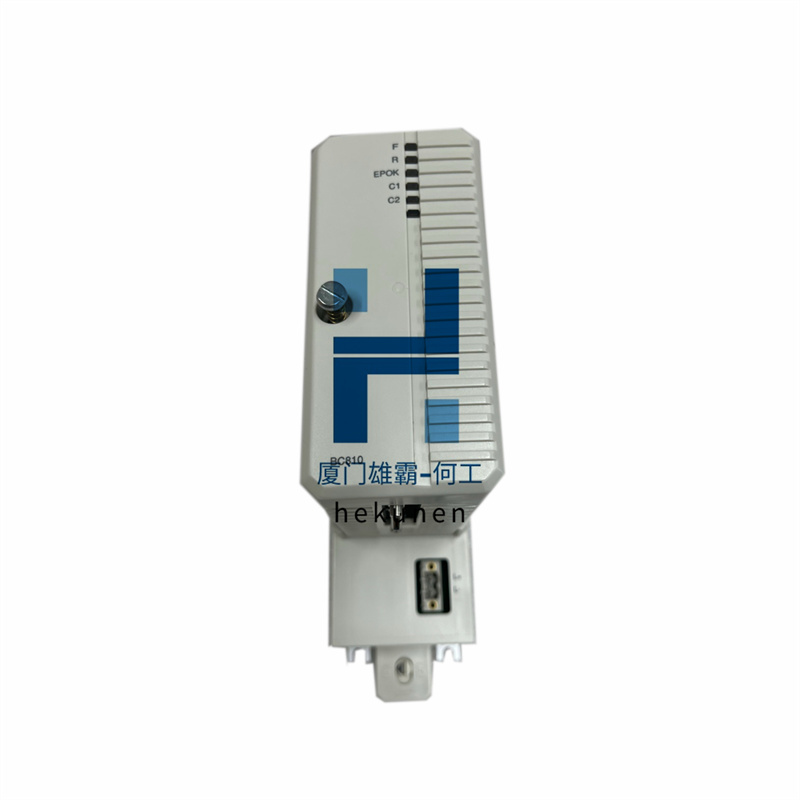
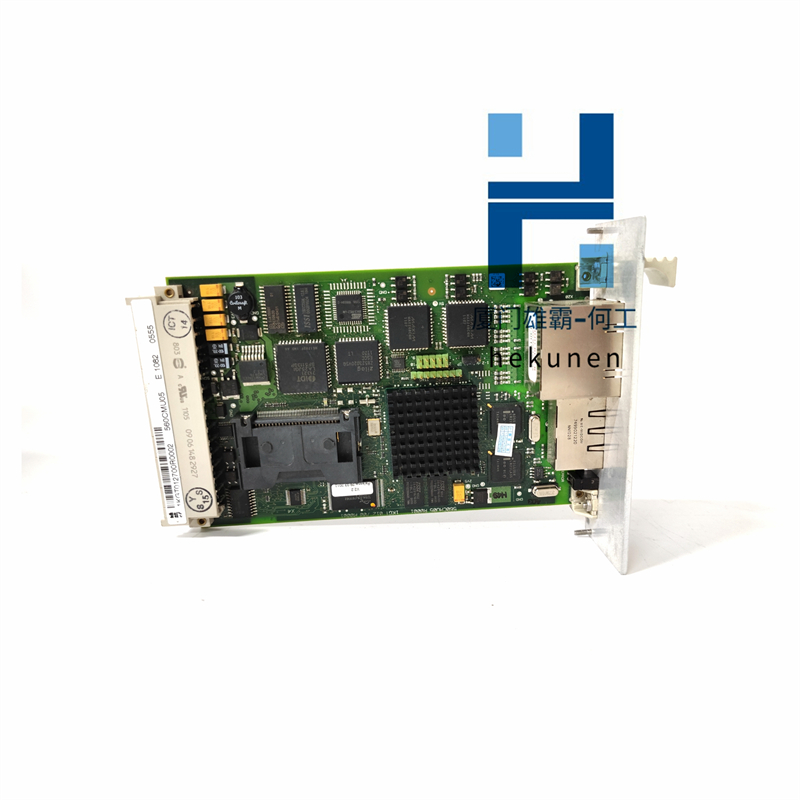
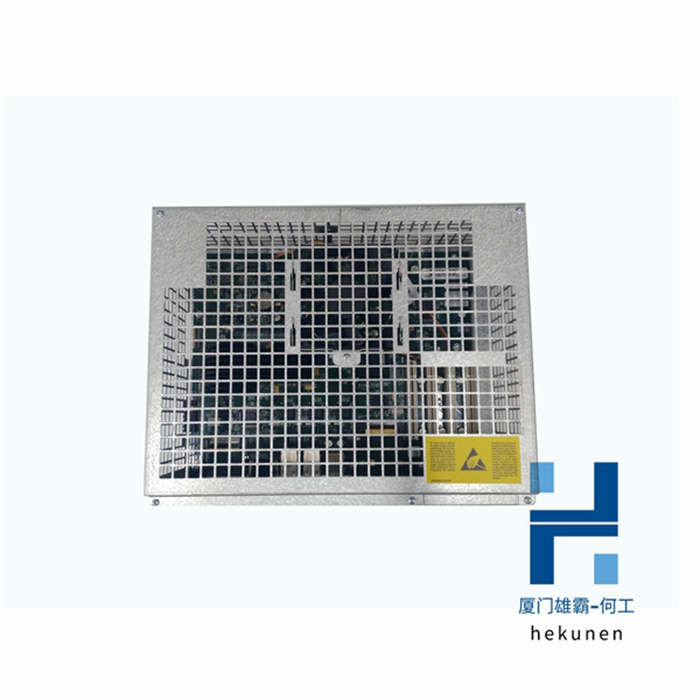
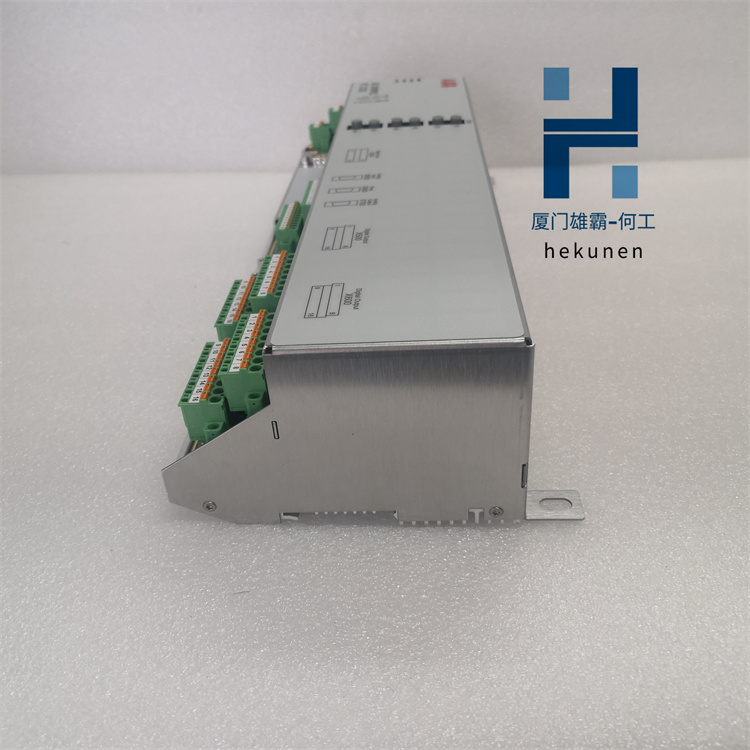
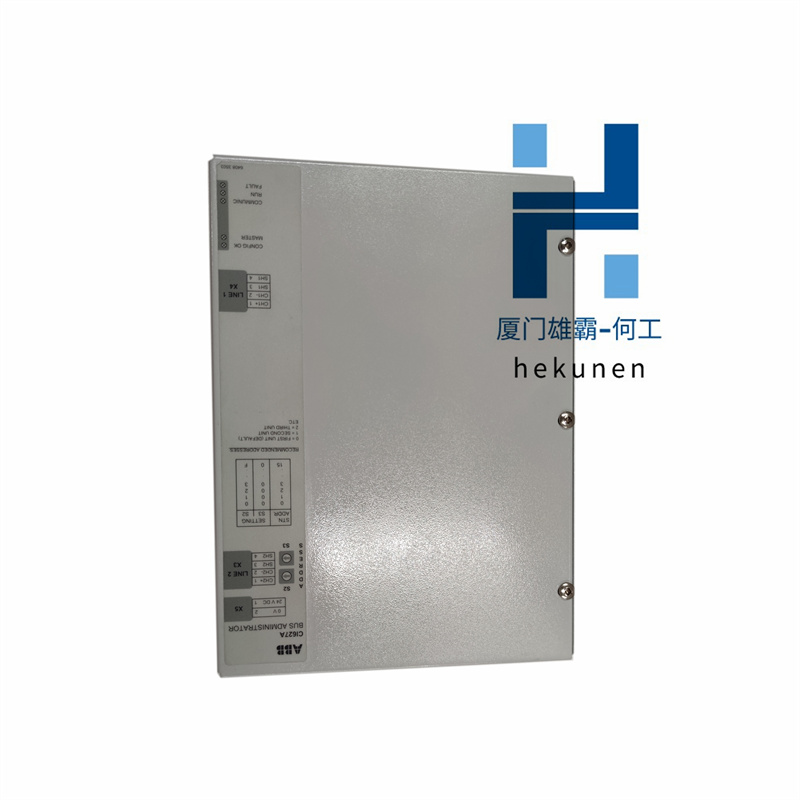
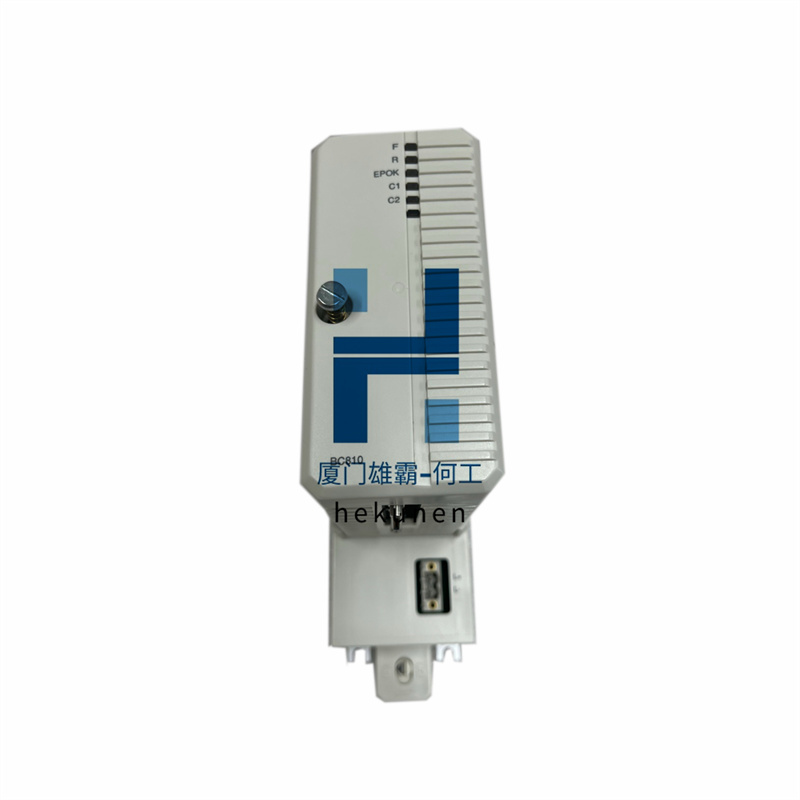
型号: ABB BC810K01 ABB
分类: ABB系统备件
联系人:何经理
手机:13313705507
QQ:2235954483
邮箱:2235954483@qq.com
地址:厦门市思明区吕岭路1733号万科创想中心2009室
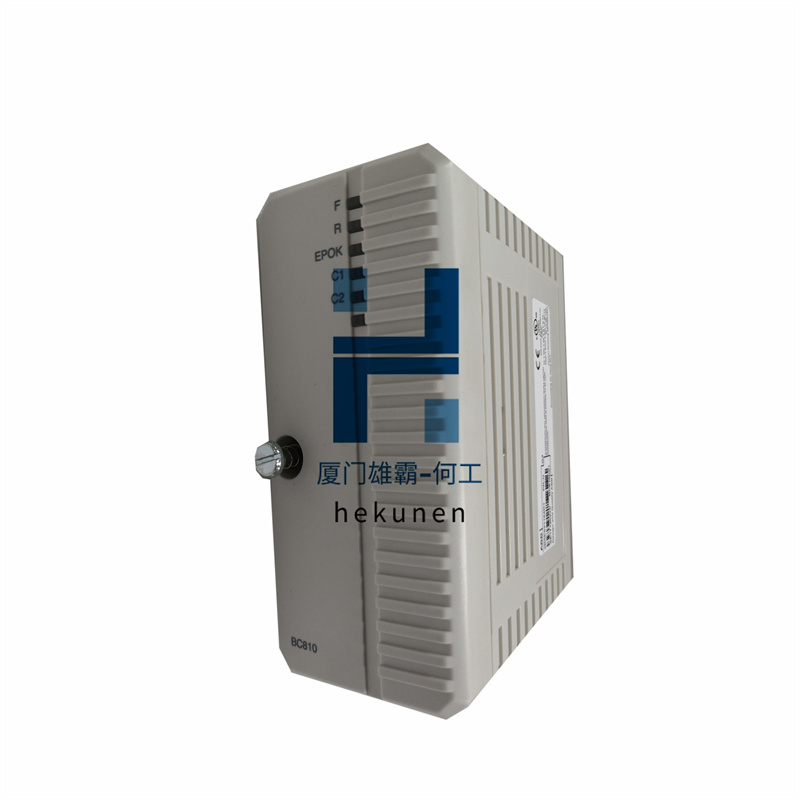
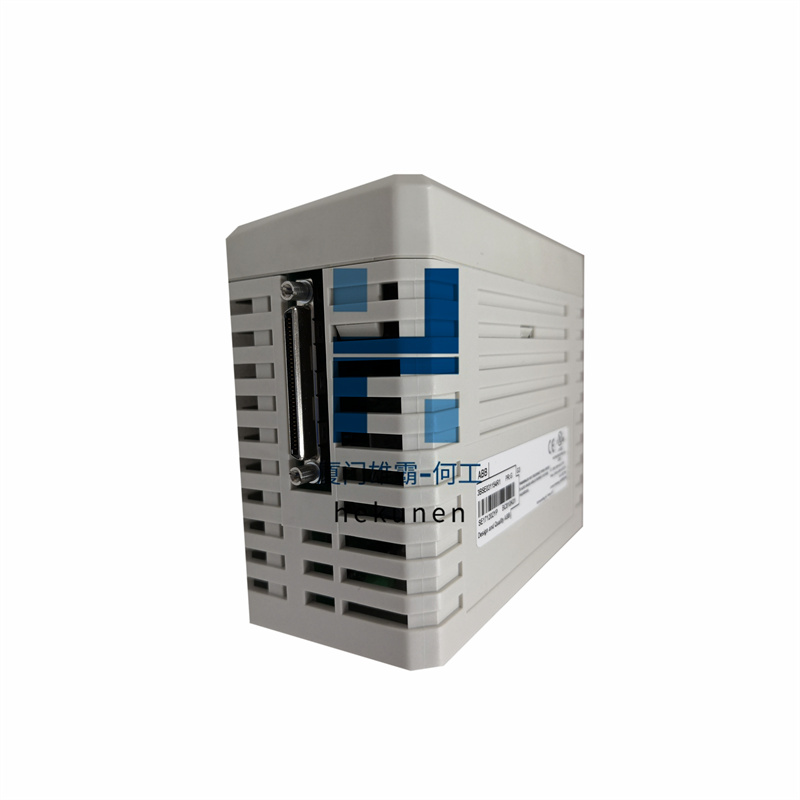
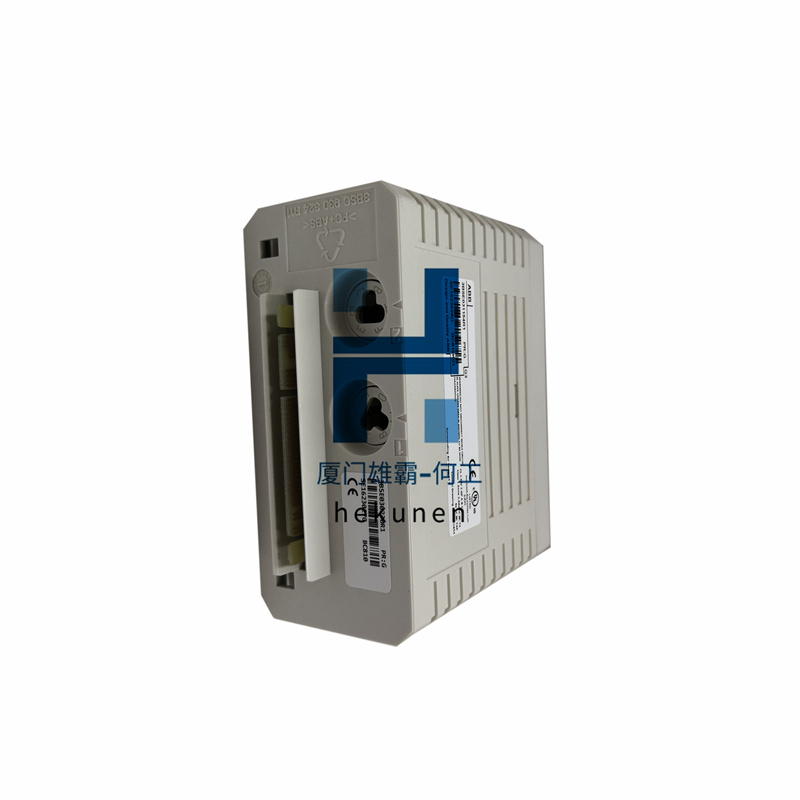
简单的说,电机转矩是指其转动力量的大小,是电机拖动负载能力的具体表现。在电机产品的性能参数中,以额定转矩、转矩和转矩表征其不同状态下的性能指标。
转矩是电机起动性能的特性,额定转矩是电机额定运行条件下对应的力能指标,而转矩则反映电机的过载能力;不同的产品特性和使用工况对转矩的要求不同。
对照同中心高、同功率但不同极数的电机可以发现,多极低转速电机的转矩较大,在电机的短路试验中可以发现,较小规格的少极电机,制动相对容易,而多极的低转速电机制动就比较困难。从电机的外观特征比较,除特别小或特别大的规格电机外,同样中心高同功率的电机,低速电机的轴伸直径比较大,因为其运行中承载的负载要比较大,这也是针对于电机转矩特性的尺寸保证要求。
从电机转矩的计算公式(T=9550 P / n )可以看出,当电机功率相同时,低速电机对应的转矩较大。
电机轴伸是传动的关键零部件,除电机与设备的对接尺寸控制外,电机轴伸的直径大小、轴的材质,以及具体的加工控制要求,都直接影响着电机的转矩能力体现,是一种机械能力表现。
当电机的转矩超过其可以承当的范围时,即电机发生过载,电机的电流会因为过载出现大幅增加,导致绕组发生过热烧毁问题;即使电机绕组能满足过载要求,就电机的轴而言,过载意味阻力矩大,作用在轴上力矩太大时,会对轴伸造成直接的伤害,特别是对于轴伸加工不太规范的情况,容易发生电机轴伸挠曲或断裂的质量事故。
Simply put, motor torque refers to the magnitude of its rotational force, which is a specific manifestation of the motor's ability to drag loads. In the performance parameters of motor products, the performance indicators under different states are characterized by rated torque, minimum torque, and maximum torque.
The minimum torque is a characteristic of motor starting performance, the rated torque is the corresponding force energy index under the rated operating conditions of the motor, and the maximum torque reflects the overload capacity of the motor; Different product characteristics and usage conditions have different requirements for torque.
By comparing motors with the same center and high power but different pole numbers, it can be found that multi pole low speed motors have higher torque. In the short circuit test of the motor, it can be found that small pole motors with smaller specifications are relatively easy to brake, while multi pole low speed motors are more difficult to brake. From the comparison of the appearance characteristics of the motor, except for motors with particularly small or large specifications, motors with the same center height and power have a larger shaft extension diameter for low-speed motors because they carry a larger load during operation, which is also a size guarantee requirement for motor torque characteristics.
From the calculation formula of motor torque (T=9550 P/n), it can be seen that when the motor power is the same, the torque corresponding to the low-speed motor is larger.
Motor shaft extension is a key component of transmission. In addition to controlling the docking size between the motor and equipment, the diameter of the motor shaft extension, the material of the shaft, and specific processing control requirements all directly affect the torque capability of the motor, which is a manifestation of mechanical capability.
When the torque of the motor exceeds its acceptable range, that is, the motor is overloaded, and the current of the motor will increase significantly due to the overload, causing the winding to overheat and burn out; Even if the motor winding can meet the overload requirements, for the motor shaft, overload means a large resistance torque. When the torque acting on the shaft is too large, it can cause direct damage to the shaft extension, especially for non-standard shaft extension processing, which can easily lead to quality accidents such as motor shaft bending or fracture.
如果您有任何问题,请跟我们联系!
联系我们