
服务热线
13313705507


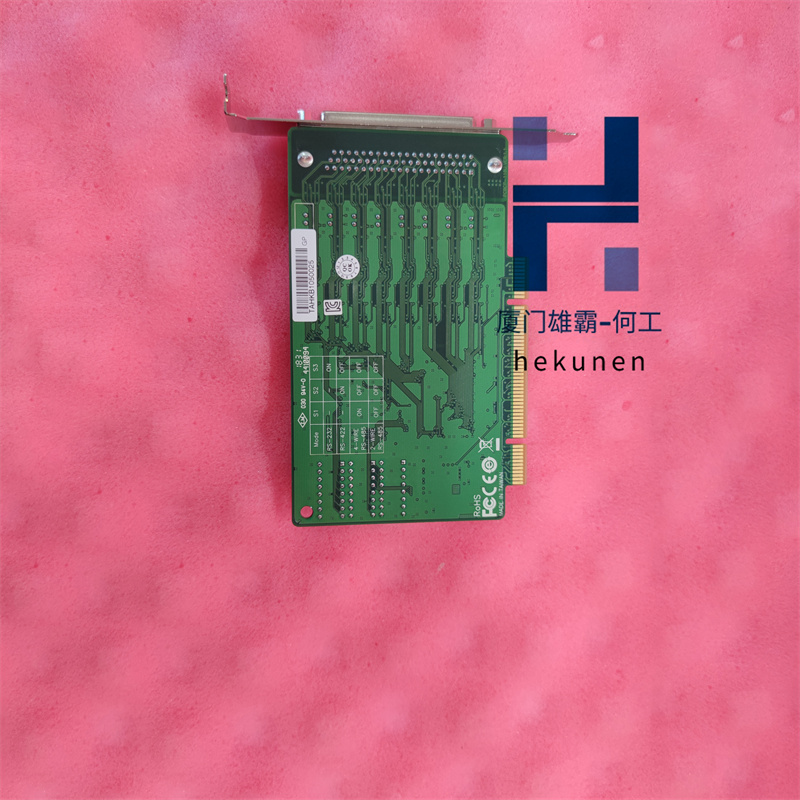
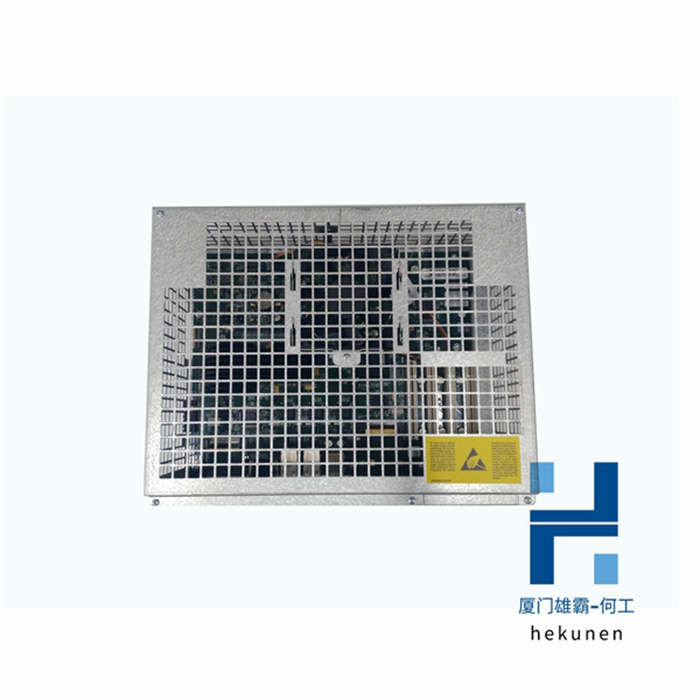
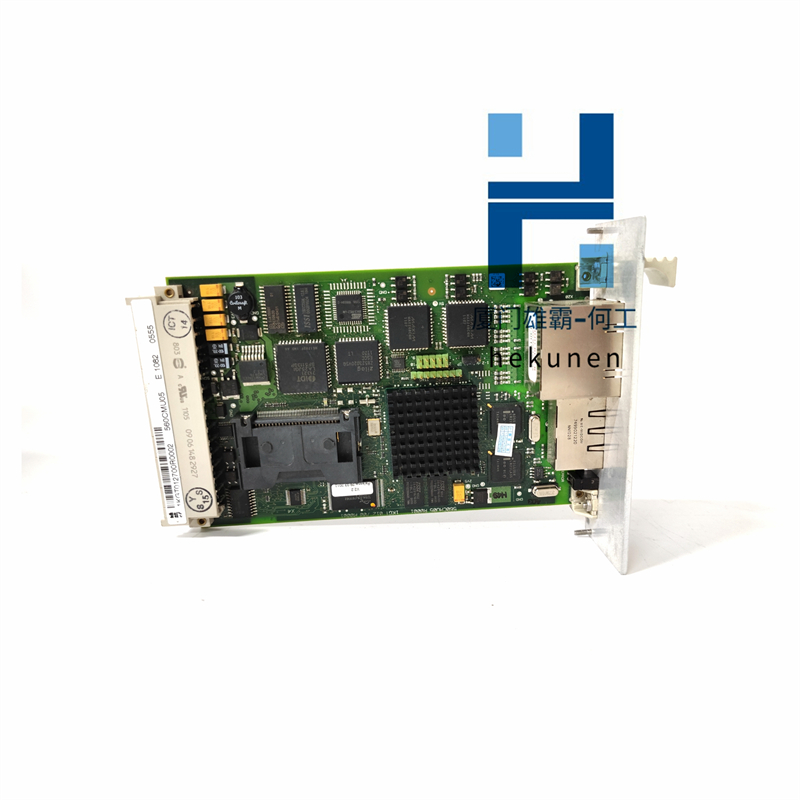
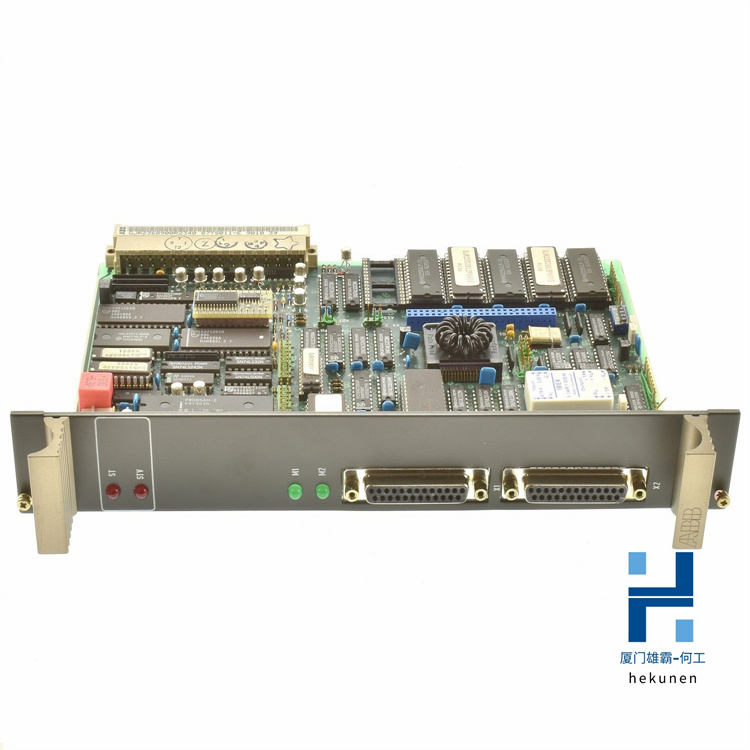
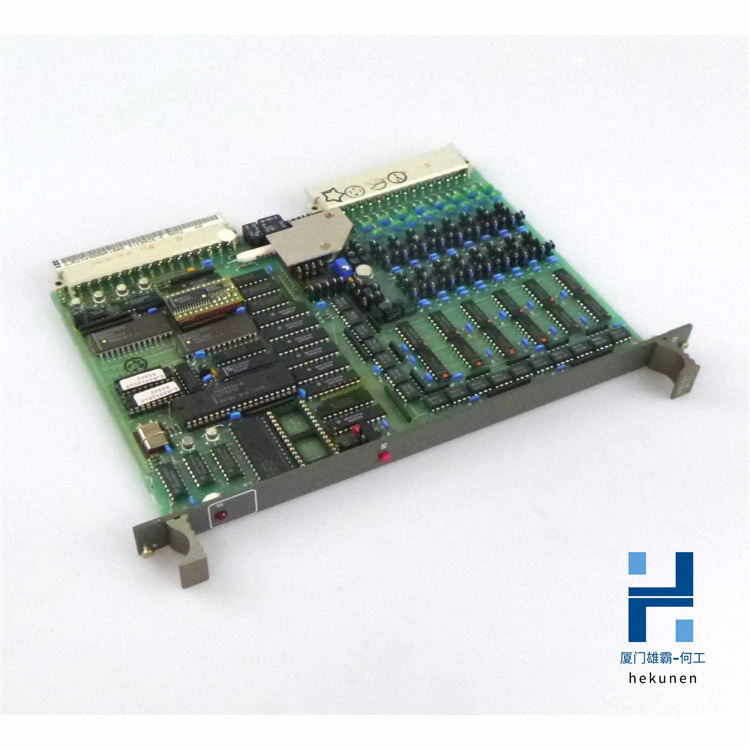
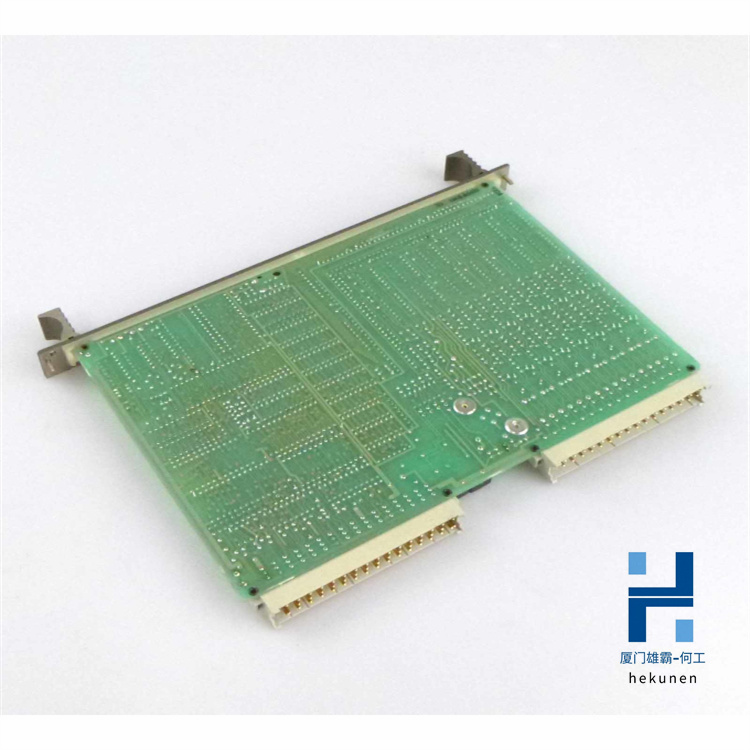
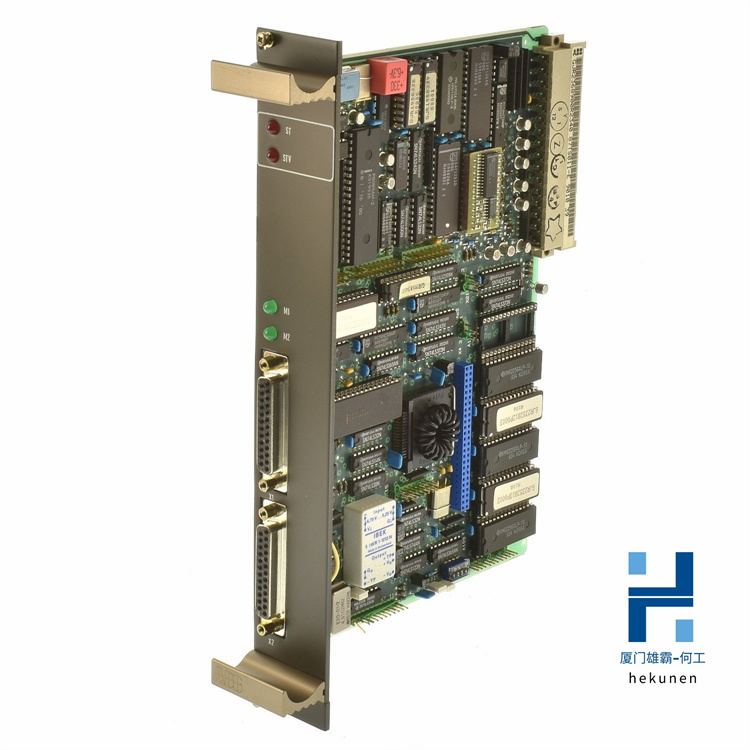
型号: XT 377D-S GJR2 3205 00 R10
分类: ABB系统备件
联系人:何经理
手机:13313705507
QQ:2235954483
邮箱:2235954483@qq.com
地址:厦门市思明区吕岭路1733号万科创想中心2009室
为了创建能够适应新情况和不断变化的需求的智能网络,有必要将需求与解决方案分离。意图是自治系统需要满足的要求的表达,这使其成为创建智能网络的关键概念。
基于意图的操作是电信系统的新范例,对于创建自治网络至关重要。
意图是一个声明性信息对象,它定义了一个自治系统和基础设施应该满足的要求[1]。意图从来都不是强制性的:接收系统没有被指示执行特定的动作或过程。相反,系统可以自主地自由选择解决方案策略。
意图使系统能够理解全局效用及其行动的价值。因此,自治系统可以评估情况和潜在的行动策略,而不是仅限于遵循人类开发人员在策略中指定的指令。这意味着以前完全由人类政策开发人员做出的智能决策可以变得自动化。
虽然意图通过提供有关需求和实用性的信息来奠定基础,但自主能力的实施仍然是一项具有挑战性的任务。我们相信,通过使用以知识为中心的架构和流程 [2, 3, 4] 结合人工智能技术(例如机器学习和机器推理),可以实现这一目标。结果是一个基于 6G 愿景的认知网络,作为新兴用例和应用的创新平台 [5]。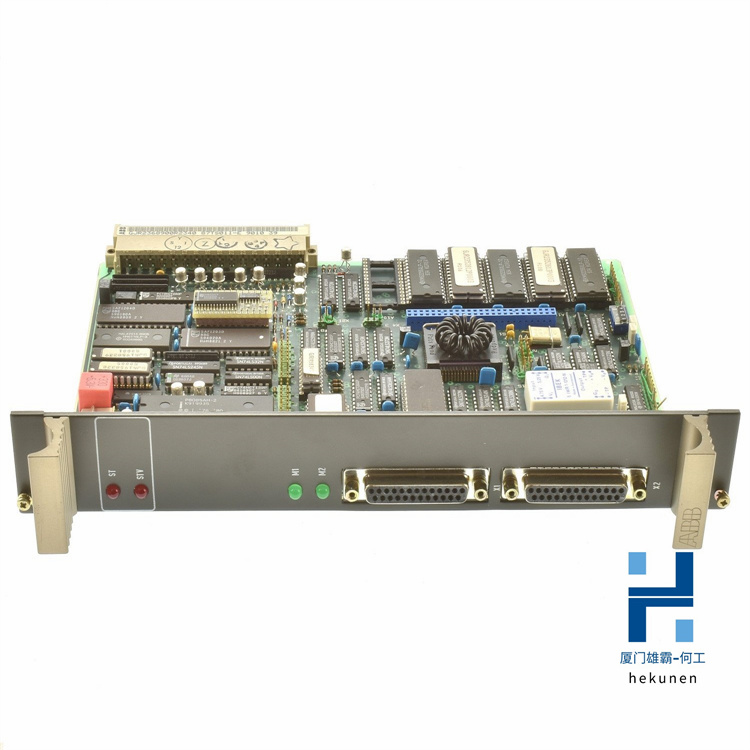
系统状态的测量是一个连续的活动,用于设定目标(表示为意图)和评估意图的实现。意图管理器需要知道使用哪些资源实例来实现意图以及它们的操作状态。了解服务组件在其资源实例上的当前性能可以确定系统是否违反其意图并需要采取纠正措施。然而,随着意图的改变,所需的测量也会改变。意图管理器必须根据需要通过使用测量代理(测量任务的专业实现)来相应地调整其测量。
问题阶段的重点是确定需要修复的内容。问题被定义为系统不满足的需求(由意图表达)。示例包括未达到所需的 QoE 指标或不可用的所需资源。保证代理对状态与要求进行持续监控,并在需要时提出问题。这可以包括更准确地描述问题的根本原因分析、根据问题的严重性确定问题的优先级或等待显示结果的正在进行的操作。
在解决方案阶段,提案代理对问题做出反应并确定可用的纠正措施策略。在这个阶段可以使用任何数量的不同实现的提案代理,包括人类设计的策略和从证据数据中获取解决方案的机器学习策略。可以提出多种行动策略,每一种都代表系统可以采取哪些措施来解决问题。
在评估阶段,评估代理确定一个动作对系统状态的预期影响,以确定哪些提议的解决方案可以对所有当前有效意图的实现产生积极的影响。预测模型和数字双胞胎将在此步骤中发挥重要作用,因为它们使虚拟探索行动及其预期结果成为可能。行动建议是通过实现所有意图来全球效用的建议。评估阶段还可以包括从以降低另一个意图为代价实现一个意图的行为中检测冲突。因此,评估可以成为一种健全的机制,有可能使网络免于冒险行为和退化。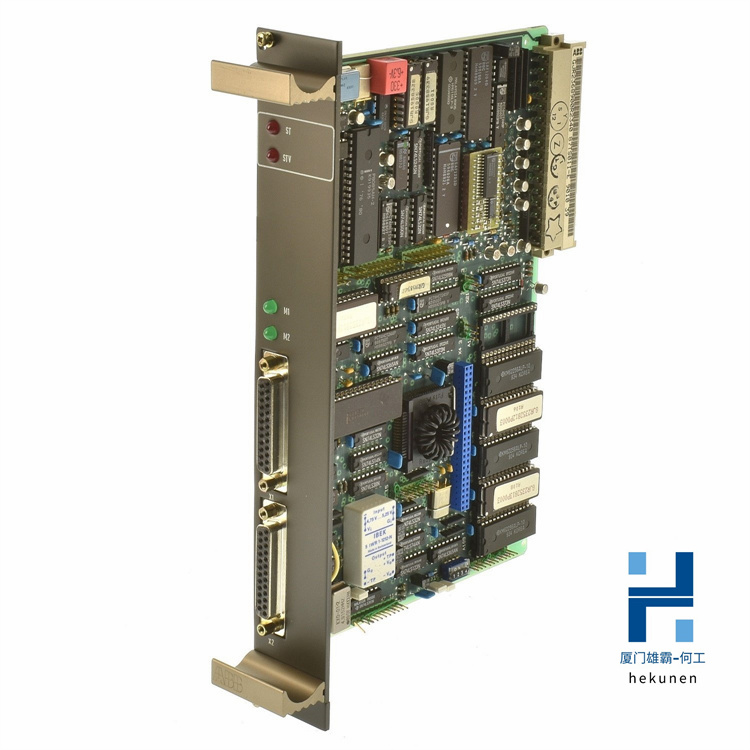
以下是我司【主营产品】,有需要可以发来帮您对比下价格哦!
主营:世界品牌的PLC 、DCS 系统备件 模块
①Allen-Bradley(美国AB)系列产品》
②Schneider(施耐德电气)系列产品》
③General electric(通用电气)系列产品》
④Westinghouse(美国西屋)系列产品》
⑤SIEMENS(西门子系列产品)》
⑥销售ABB Robots. FANUC Robots、YASKAWA Robots、KUKA Robots、Mitsubishi Robots、OTC Robots、Panasonic Robots、MOTOMAN Robots。
⑦estinghouse(西屋): OVATION系统、WDPF系统、MAX0系统备件。
⑧Invensys Foxboro(福克斯波罗):I/A Series系统,FBM(现场输入/输出模块)顺序控制、梯形逻辑控制、事故追忆处理、数模转换、输入/输出信号处理、数据通信及处理等。Invensys Triconex: 冗余容错控制系统、基于三重模件冗余(TMR)结构的现代化的容错控制器。
⑨Siemens(西门子):Siemens MOORE, Siemens Simatic C1,Siemens数控系统等。
⑩Bosch Rexroth(博世力士乐):Indramat,I/O模块,PLC控制器,驱动模块等。
◆Motorola(摩托):MVME 162、MVME 167、MVME1772、MVME177等系列。
PLC模块,可编程控制器,CPU模块,IO模块,DO模块,AI模块,DI模块,网通信模块,
以太网模块,运动控制模块,模拟量输入模块,模拟量输出模块,数字输入模块,数字输出
模块,冗余模块,电源模块,继电器输出模块,继电器输入模块,处理器模块。
Measurement of the system state is a continuous activity used both to set goals (expressed as intents) and to evaluate fulfillment of intent. The intent manager needs to know which resource instances are used to fulfill the intent as well as their operational state. Knowledge of the current performance of service components at their resource instances makes it possible to determine if the system is in breach of its intent and needs corrective action. However, as the intent can change, so can the required measurements. The intent manager must adapt its measurements accordingly by employing measurement agents (specialist implementations of measurement tasks) as required.
The issues stage focuses on identifying what needs to be fixed. Issues are defined as requirements (expressed by intents) that are not met by the system. Examples include a required QoE metric that is not reached or a required resource that is not available. Assurance agents implement continuous monitoring of state versus requirements and raise issues when required. This can include a root cause analysis for a more precise description of the issue, prioritization of issues depending on their severity or waiting for ongoing actions showing results.
In the solutions stage, proposal agents react to issues and determine the available corrective action strategies. Any number of differently implemented proposal agents can be used at this stage, including human designed policies and machine learned policies that derive solutions from evidence data. Multiple action strategies may be proposed, each of them representing what the system can do to address the issue.
In the evaluation stage, evaluation agents determine the expected impact of an action on the system state to determine which of the proposed solutions can deliver the most positive effect on the fulfillment of all currently valid intents. Predictive models and digital twins will play a major role in this step, as they make it possible to virtually explore actions and their expected outcomes. The preferred action proposal is the one expected to maximize global utility by best fulfilling all intents. The evaluation stage can also include detection of conflict from actions that fulfill one intent at the expense of degrading another. Evaluation can therefore be a sanity mechanism with the potential to save the network from risky actions and degradations.
A solution with an overall preferential evaluation proceeds to the actuation stage. Intent-based systems can act by using an intent to define requirements on the autonomous subordinate system layer. Alternatively, they may act through traditional interfaces by changing configurations of invoking processes. Specialized actuation agents are available to implement a different type of action-taking. For example, in service intent management, a proposal may be expressed by a TOSCA (Topology and Orchestration Specification for Cloud Applications) model and the actuation would therefore be orchestration.
如果您有任何问题,请跟我们联系!
联系我们