
服务热线
13313705507
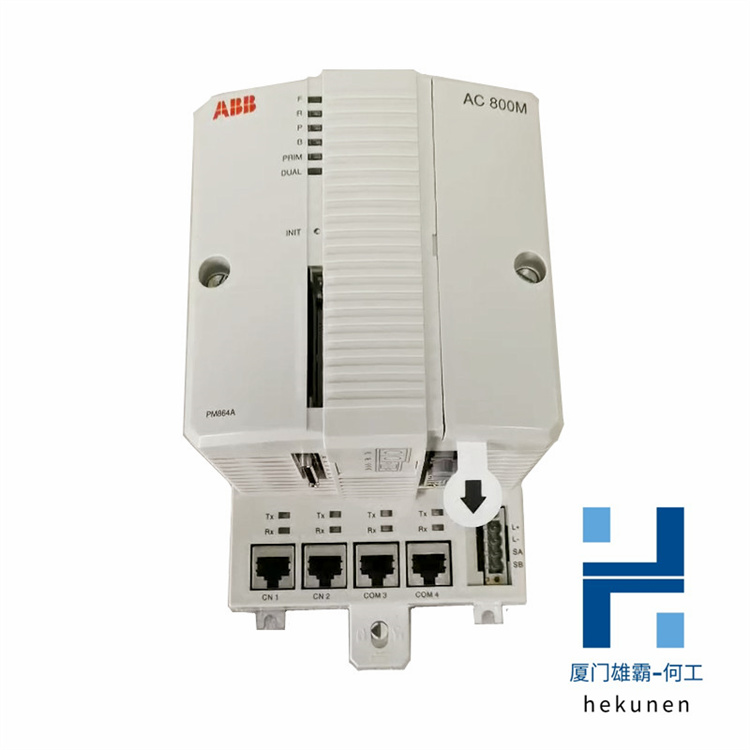
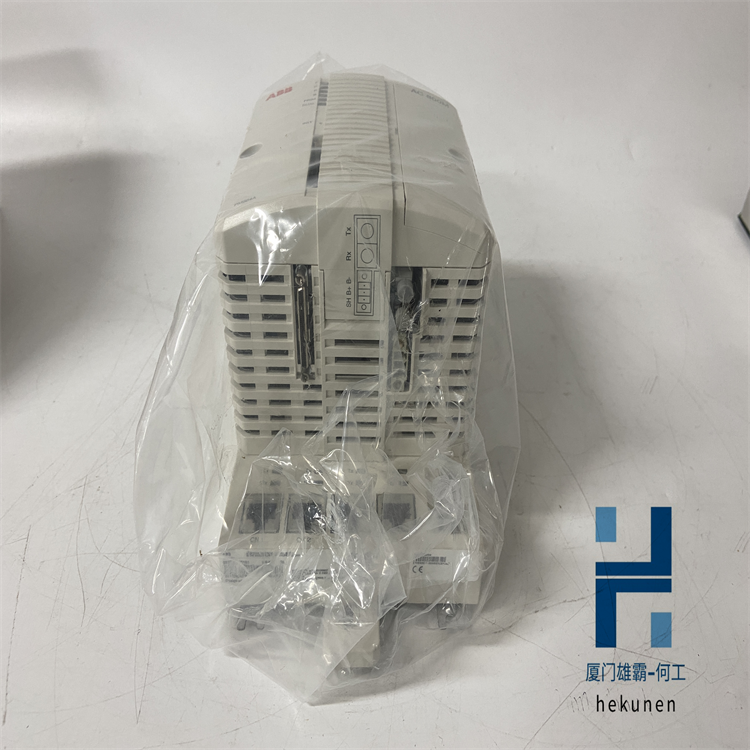
型号: PM864AK01 3BSE018161R1
分类: ABB系统备件
联系人:何经理
手机:13313705507
QQ:2235954483
邮箱:2235954483@qq.com
地址:厦门市思明区吕岭路1733号万科创想中心2009室
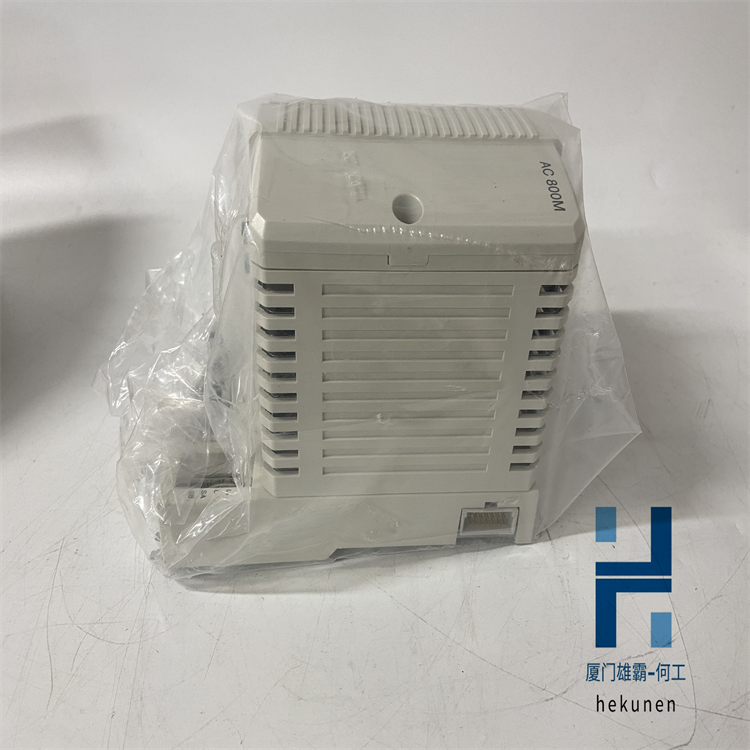
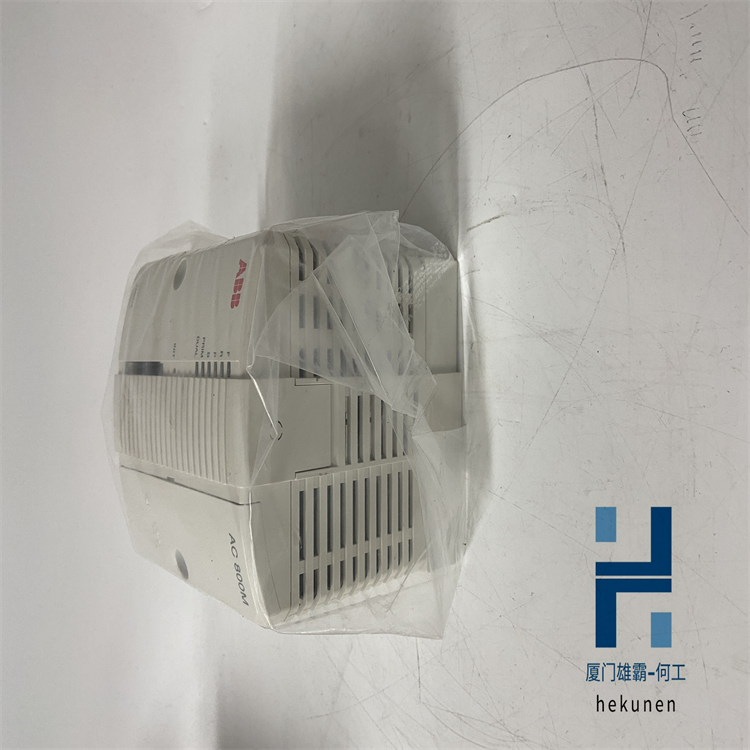
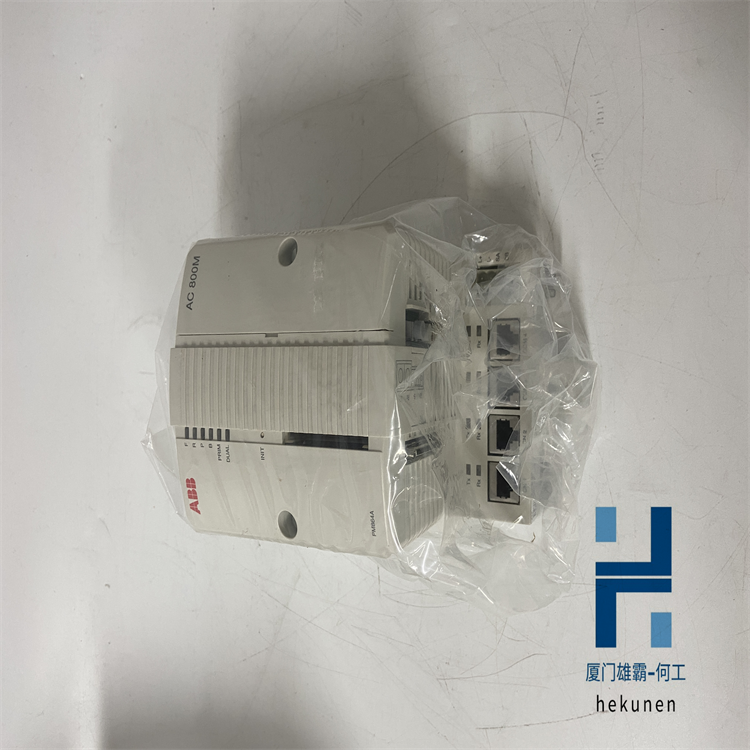
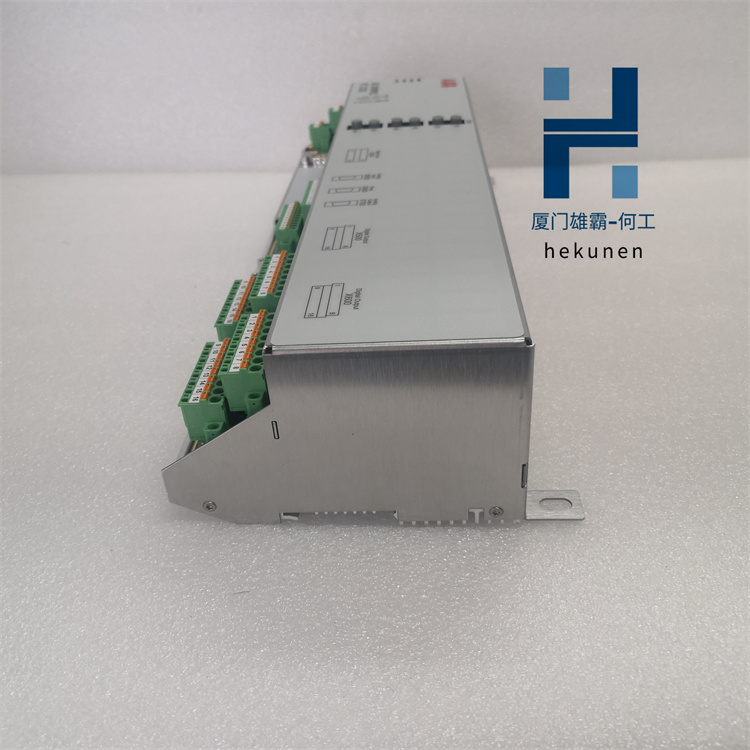
模块化且可靠的 NCS 远程 I/O 系统在现场或工厂车间与您的控制策略之间提供实时信号网关,并处理各种信号输入和输出,包括电流、电压、继电器、RTD、离散、热电偶、电阻或电位器。
Moore Industries 的 NET Concentrator System® (NCS) 专为要求严苛的工业应用而设计,具有强大的 RFI/EMI 保护、对等主机和对等操作、全通道间隔离、数据记录功能、卓越的20 位输入和 18 位输出分辨率,可安装在恶劣的环境温度条件下。当您需要将新的和现有的传统过程传感器、仪器和控制元件与监控系统联网时,NCS 是理想的解决方案。
NET 集中器系统网络由一个或多个独立 I/O 站组成,这些站由一个 EMM 以太网/MODBUS 接口模块 (EMM) 和输入和/或输出模块组合而成。输入和输出模块的任何组合都可以在 NET 集中器系统网络中使用。NCS 标配一个以太网 (MODBUS/TCP) 端口和双 MODBUS RTU (RS-485) 端口。每个 RS-485 端口都可以配置为 MODBUS RTU 主站或从站。当配置为 MODBUS 主站时,NCS 可以从任何远程 MODBUS RTU 从站读取数据或向其写入数据。此外,每个端口都可以配置为支持对等网络拓扑,其中各个 NCS 站可以在不需要 MODBUS 主机的情况下以发布者/订阅者的方式相互通信。
NCS 还具有多功能多点模拟警报 (-MAA) 选项,允许用户快速设置简单或动态警报方案。-MAA 选项利用内置 ISaGRAF 程序提供灵活的警报配置,可通过板载 Web 服务器通过易于使用的网页访问该配置。使用 -MAA 选项,一个完整的 NCS 站可以有多达 60 个输入、32 个警报和 8 个物理继电器输出。每个警报都可以分配给继电器输出模块 (ROM) 上的八个继电器输出中的任何一个。这使得每个继电器输出可以由一个输入/警报或多个输入/警报驱动。实现多点报警的硬件基本物理配置包括以太网 MODBUS/接口模块 (EMM)、继电器输出模块 (ROM) 和温度输入模块 (TIM) 或模拟输入模块 (AIM)。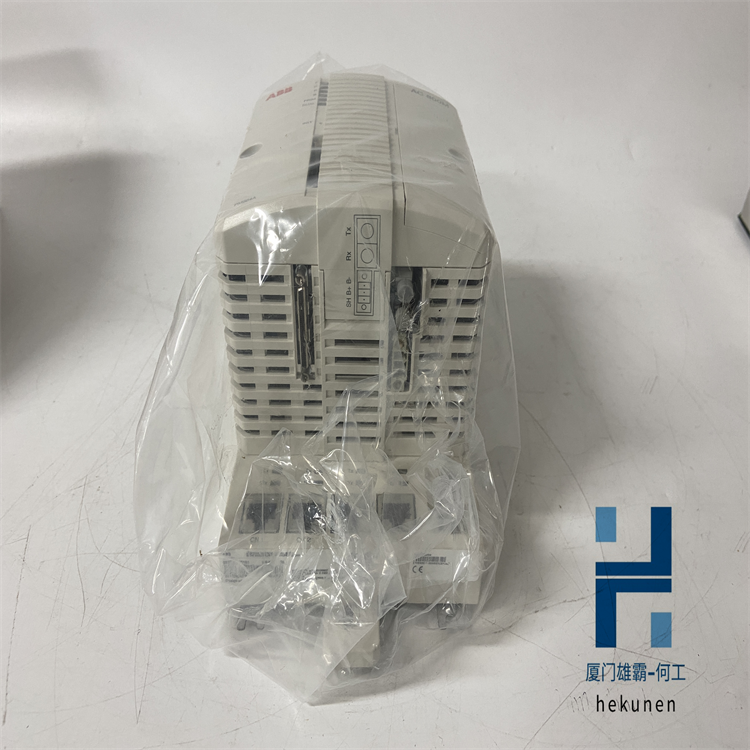
用于早期检测 HPump 系统电机的温度偏移,这些电机用于石油和天然气作业,以满足各种泵送需求。如果在这些系统电机中没有及早发现温度偏移,则会对 HPump 组件(例如前后轴承、绕组和止推轴承)造成广泛损坏。NCS 具有可配置的-MAA 报警功能,可提供用于警告或跳闸功能的继电器,是一种有效的监控和报警解决方案,因为它可以及早提醒生产人员温度偏移,以帮助防止损坏和生产停机。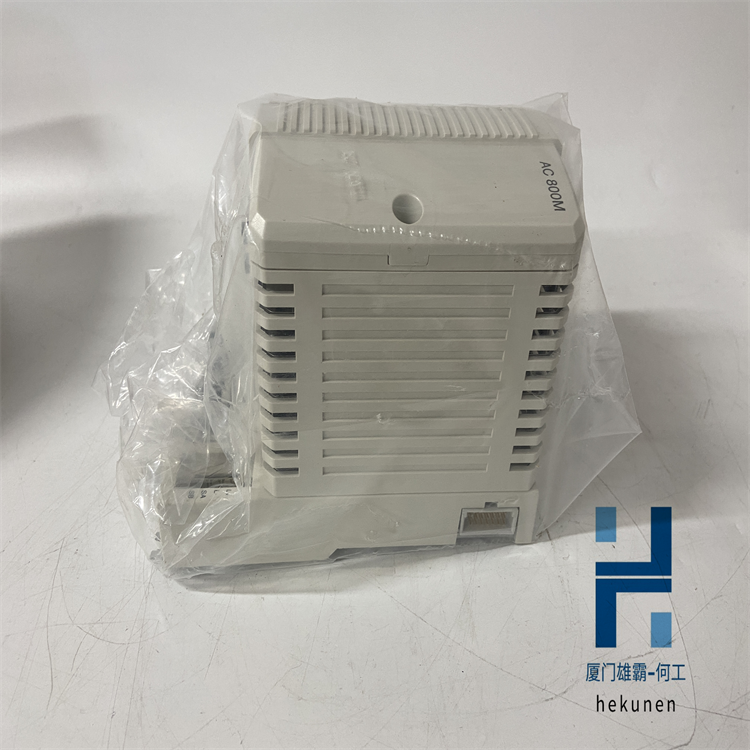
以下是我司【主营产品】,有需要可以发来帮您对比下价格哦!
主营:世界品牌的PLC 、DCS 系统备件 模块
①Allen-Bradley(美国AB)系列产品》
②Schneider(施耐德电气)系列产品》
③General electric(通用电气)系列产品》
④Westinghouse(美国西屋)系列产品》
⑤SIEMENS(西门子系列产品)》
⑥销售ABB Robots. FANUC Robots、YASKAWA Robots、KUKA Robots、Mitsubishi Robots、OTC Robots、Panasonic Robots、MOTOMAN Robots。
⑦estinghouse(西屋): OVATION系统、WDPF系统、MAX0系统备件。
⑧Invensys Foxboro(福克斯波罗):I/A Series系统,FBM(现场输入/输出模块)顺序控制、梯形逻辑控制、事故追忆处理、数模转换、输入/输出信号处理、数据通信及处理等。Invensys Triconex: 冗余容错控制系统、基于三重模件冗余(TMR)结构的现代化的容错控制器。
⑨Siemens(西门子):Siemens MOORE, Siemens Simatic C1,Siemens数控系统等。
⑩Bosch Rexroth(博世力士乐):Indramat,I/O模块,PLC控制器,驱动模块等。
◆Motorola(摩托):MVME 162、MVME 167、MVME1772、MVME177等系列。
PLC模块,可编程控制器,CPU模块,IO模块,DO模块,AI模块,DI模块,网通信模块,
以太网模块,运动控制模块,模拟量输入模块,模拟量输出模块,数字输入模块,数字输出
模块,冗余模块,电源模块,继电器输出模块,继电器输入模块,处理器模块。
Designed specifically for demanding industrial applications, Moore Industries’ NET Concentrator System® (NCS) features robust RFI/EMI protection, Peer-to-Host and Peer-to-Peer operation, full channel-to-channel isolation, data logging capabilities, superior 20-bit input and 18-bit output resolution, and installs in harsh ambient temperature conditions. The NCS is the ideal solution when you need to network new and existing legacy process sensors, instruments, and final control elements with monitoring and control systems.
NET Concentrator System networks are made up of one or more stand-alone I/O stations consisting of one EMM Ethernet/MODBUS Interface Module (EMM), combined with Input and/or Output Modules. Any combination of Input and Output Modules may be used within a NET Concentrator System network. The NCS comes standard with one Ethernet (MODBUS/TCP) port and dual MODBUS RTU (RS-485) ports. Each of the RS-485 ports can be configured as a MODBUS RTU Master or Slave. When configured as a MODBUS Master the NCS can read data from or write data to any remote MODBUS RTU slave. In addition, each port can be configured to support a peer-to-peer network topology where individual NCS stations can communicate amongst themselves in a publisher/subscriber fashion without the need of MODBUS host. The EMM’s Ethernet port supports communication with MODBUS/TCP hosts or enables users to read real time process data with a standard web browser via the EMM’s internal webserver.
The NCS also has a versatile Multipoint Analog Alarm (–MAA) option that allows users to quickly set up simple or dynamic alarming schemes. The-MAA option utilizes a built-in ISaGRAF program providing a flexible alarm configuration that is accessed via easy-to-use web pages through the on-board web server. With the -MAA option, a full NCS station can have as many as 60 inputs, 32 alarms and eight physical relay outputs. Each alarm can be assigned to any of the eight relay outputs on the Relay Output Module (ROM). This enables each relay output to be driven by one input/alarm or multiple inputs/alarms. A basic physical configuration of hardware to implement multipoint alarming includes the Ethernet MODBUS/Interface Module (EMM), Relay Output Module (ROM), and Temperature Input Module (TIM) or Analog Input Module (AIM).
如果您有任何问题,请跟我们联系!
联系我们