
服务热线
13313705507
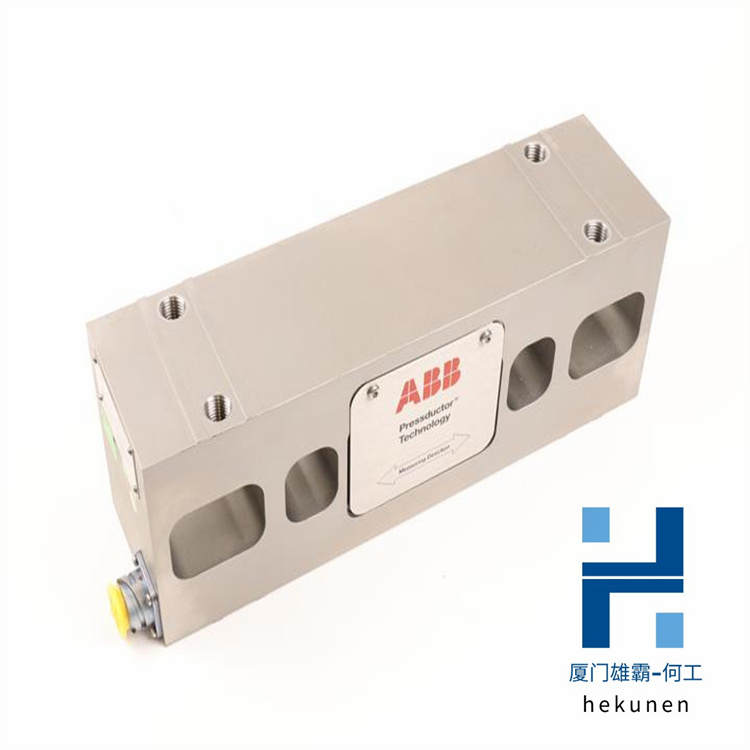
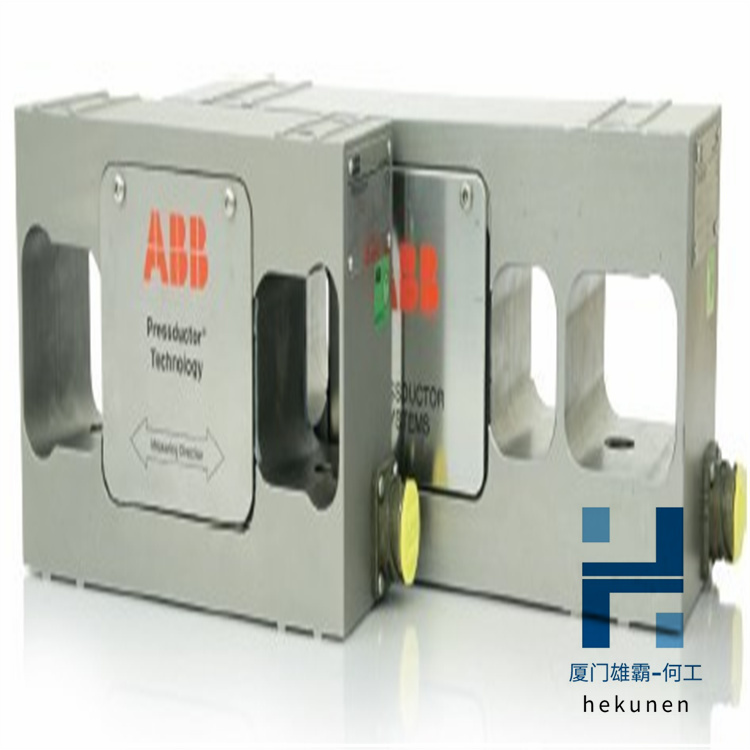
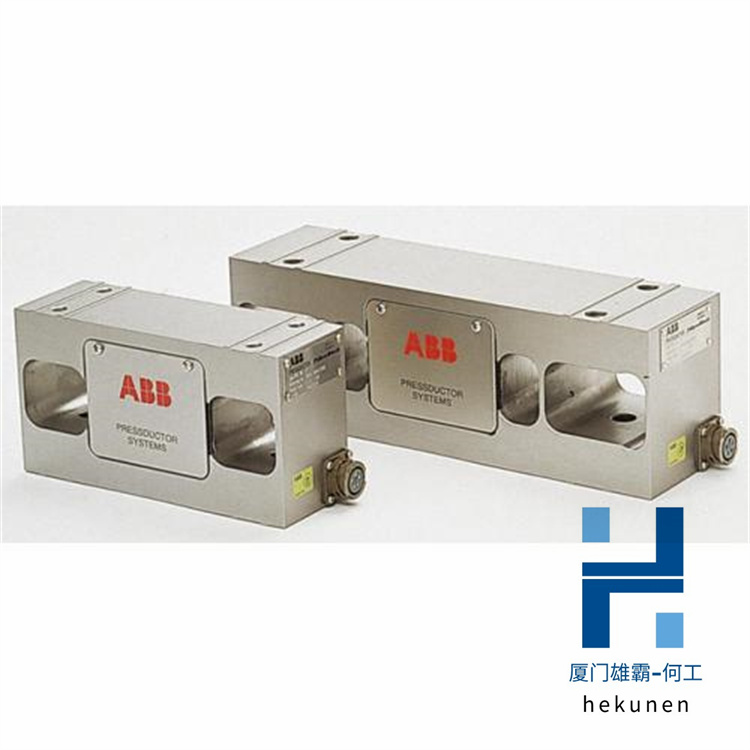
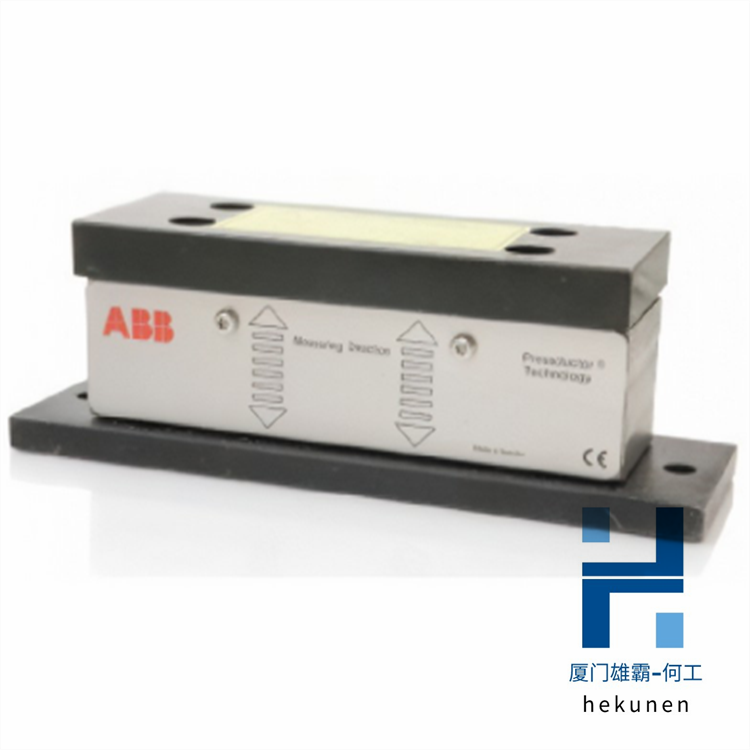
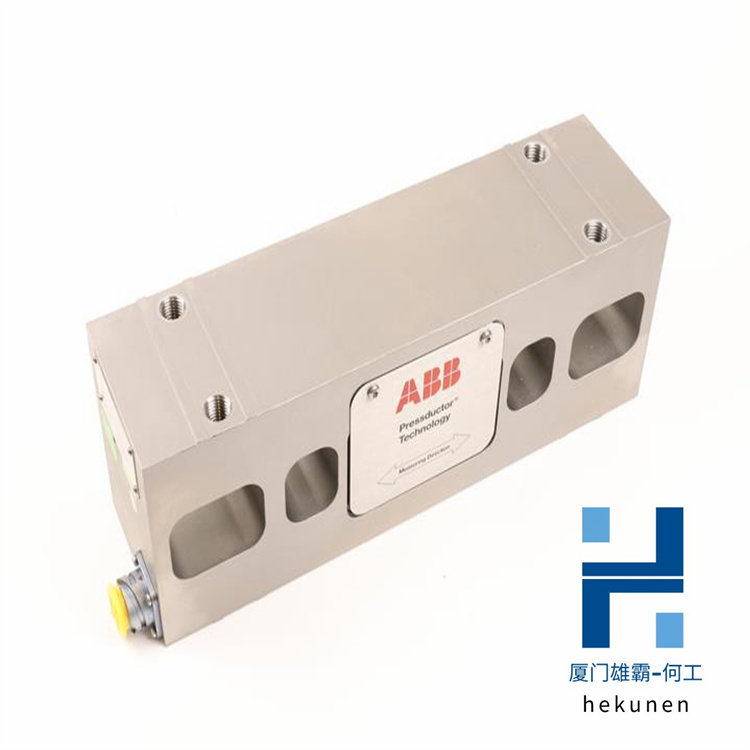
型号: PFTL201C 10KN 3BSE007913R10
分类: ABB系统备件
联系人:何经理
手机:13313705507
QQ:2235954483
邮箱:2235954483@qq.com
地址:厦门市思明区吕岭路1733号万科创想中心2009室
Moxa 预见到 TSN 可以并且将用于各种应用。如上所述,几乎所有适应数字化转型的工业自动化应用都可以从 TSN 的采用中受益,因为 TSN 为大规模融合网络提供了标准和统一的基础设施。
据 Moxa 称,目前的典型应用仅限于网络孤岛。TSN 在融合自动化网络中提供可靠性、可扩展性、灵活性和确定性。
采用 TSN 的智能制造将通过降低总拥有成本 (TCO) 以及通过提高可视性和实时数据聚合来优化生产来实现更高的生产效率。“我们已经在全球范围内看到了试点和小规模的落地项目,我们预计 TSN 在未来 1-3 年内将越来越受欢迎,”他们报道。
实现智能制造解决方案
Hilscher North America 首席执行官 Philip Marshall 表示:“在 TSN 标准化过程开始时,人们期望 TSN 将取代现有的工业以太网标准。今天,我们正在研究不同的现场层,以评估通过 TSN 的千兆以太网上的控制器到控制器网络。此外,5G Standard Release 16 将提供更多的低延迟能力,并在工厂车间提供无线 TSN 路由。然而,这种发展将需要更长的时间才能采用。”
“同时,在从车间到云端和边缘层的通信方面,OPC UA 设定了标准,并且在与 TSN 结合时可能成为一种支持技术。然而,与 Linux 网络相关的配置复杂性使得与现场设备的合并成为一项挑战,”Marshall 说。
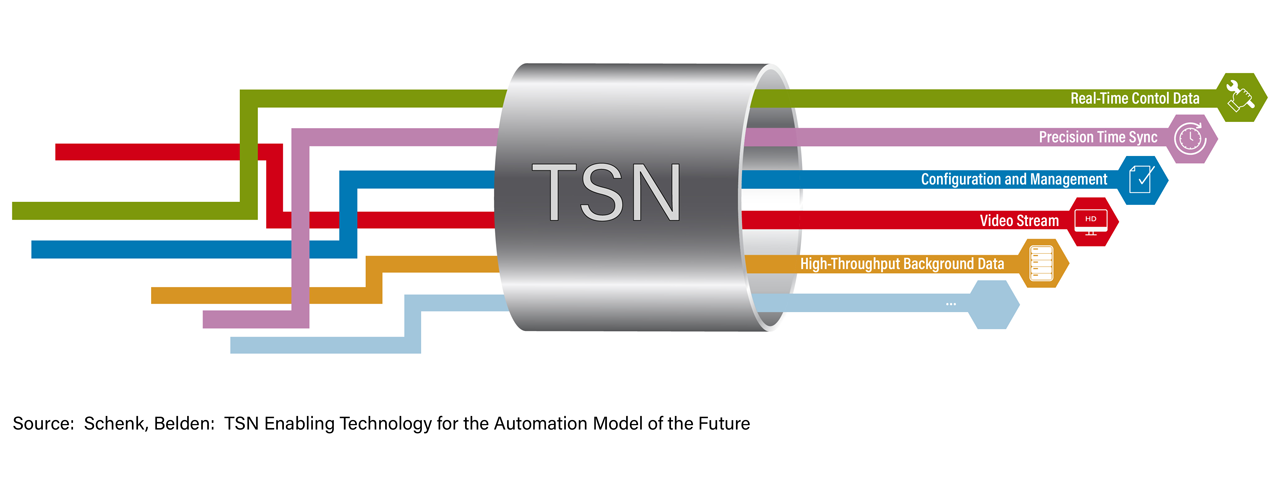
时间敏感网络 ISO-OSI 模型。
Marshall 表示,TSN 扩展了 IEEE 以太网标准,以涵盖工业网络的实时以太网要求。它起源于 IEEE 内部合并以形成 TSN 任务组。起初,TSN标准是基于音视频桥接标准,并采用以下概念:
今天,TSN 包括超过九个标准,并描述了如何扩展现有标准以满足通信渠道中的某些行为。TSN 支持从一台设备到多台设备的数据传输,具有以下定义的要求:
这些要求类似于基于以太网的现场总线标准的当前目标,但现在在一组 IEEE 子标准中定义。重要的是:
特点包括:所有节点和主时钟之间的同步时序;关联网络事件和实际时间(事件序列)的能力;多个时域的定义;冗余同步;更快的“大师”转换;并减少主时钟算法(BMCA)的收敛时间。
这包括以下能力: 扩展以太网组件的传输行为;分时法;为所需的流量类别预留带宽;基于网络周期;并要求 IEEE 802.1AS 标准。
根据 IEEE 802.3-2018(原 IEEE 802.3br)需要穿插快速流量 (IET)
这配置了所有标准和机制,并由以下主要模型组成:
Marshall 表示,实现通用配置文件定义和互操作性是一项挑战,因为仅根据 TSN 标准实施是不够的。互操作性的核心要求是:
他补充说,这构成了 IEC/IEEE 60802 的核心,Hilscher 为互操作性提供了一个通用集合。
以下是我司【主营产品】,有需要可以发来帮您对比下价格哦!
主营:世界品牌的PLC 、DCS 系统备件 模块
①Allen-Bradley(美国AB)系列产品》
②Schneider(施耐德电气)系列产品》
③General electric(通用电气)系列产品》
④Westinghouse(美国西屋)系列产品》
⑤SIEMENS(西门子系列产品)》
⑥销售ABB Robots. FANUC Robots、YASKAWA Robots、KUKA Robots、Mitsubishi Robots、OTC Robots、Panasonic Robots、MOTOMAN Robots。
⑦estinghouse(西屋): OVATION系统、WDPF系统、MAX0系统备件。
⑧Invensys Foxboro(福克斯波罗):I/A Series系统,FBM(现场输入/输出模块)顺序控制、梯形逻辑控制、事故追忆处理、数模转换、输入/输出信号处理、数据通信及处理等。Invensys Triconex: 冗余容错控制系统、基于三重模件冗余(TMR)结构的现代化的容错控制器。
⑨Siemens(西门子):Siemens MOORE, Siemens Simatic C1,Siemens数控系统等。
⑩Bosch Rexroth(博世力士乐):Indramat,I/O模块,PLC控制器,驱动模块等。
◆Motorola(摩托):MVME 162、MVME 167、MVME1772、MVME177等系列。
PLC模块,可编程控制器,CPU模块,IO模块,DO模块,AI模块,DI模块,网通信模块,
以太网模块,运动控制模块,模拟量输入模块,模拟量输出模块,数字输入模块,数字输出
模块,冗余模块,电源模块,继电器输出模块,继电器输入模块,处理器模块。
These requirements resemble the current goals of Ethernet-based fieldbus standards, but are now defined in a set of IEEE sub-standards. The most important are:
Features include: synchronized timing between all nodes and the master clock; ability to correlate network events and actual time (sequence of events); definitions of multiple time domains; redundant synchronization; faster “Grand Master” changeover; and reduce best master clock algorithm (BMCA) convergence time.
This includes the ability to: extend transmission behavior of Ethernet components; Time sharing method; reserve bandwidth for desired traffic classes; network cycle-based; and required IEEE 802.1AS standard.
Needs Interspersing Express Traffic (IET) according to IEEE 802.3-2018 (formerly IEEE 802.3br)
This configures all standards and mechanisms and consists of these major models:
Marshall said that it is a challenge to achieve common profile definitions and interoperability because implementation according to TSN standards alone is not enough. The core requirements for interoperability are:
He added that this makes up the core of IEC/IEEE 60802, with Hilscher contributing to a common set for interoperability.
如果您有任何问题,请跟我们联系!
联系我们