
服务热线
13313705507
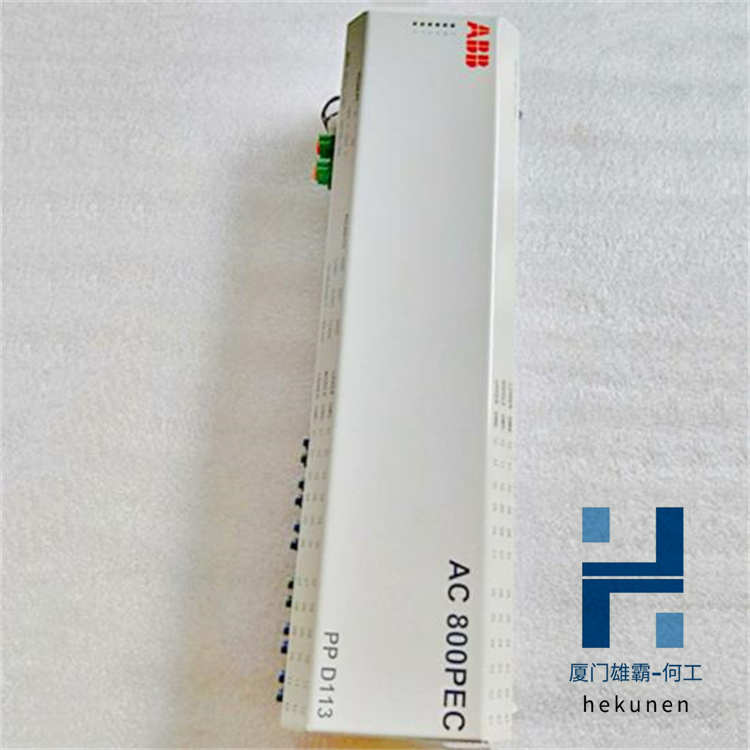
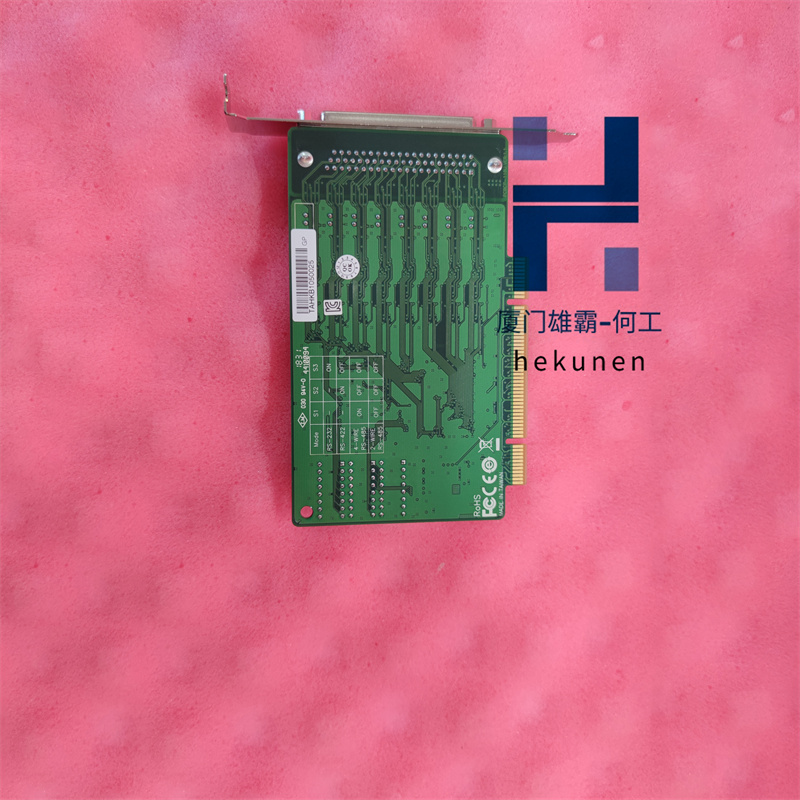
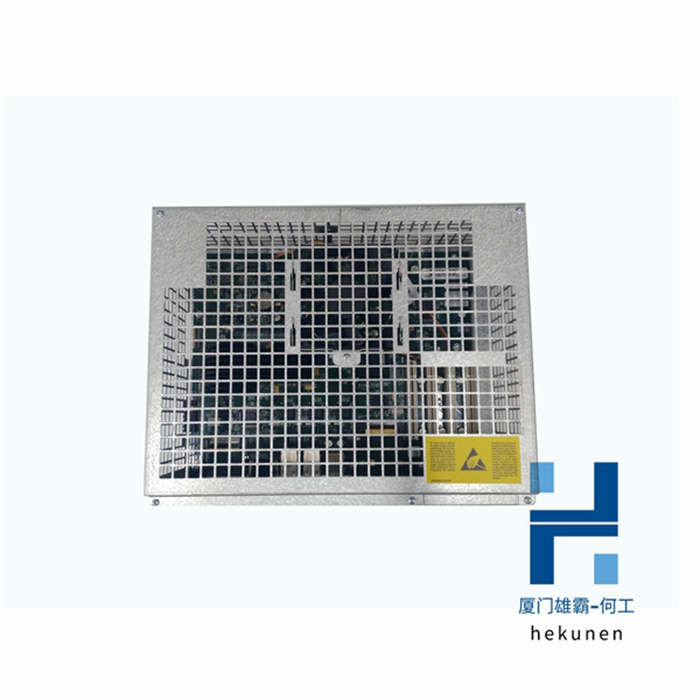
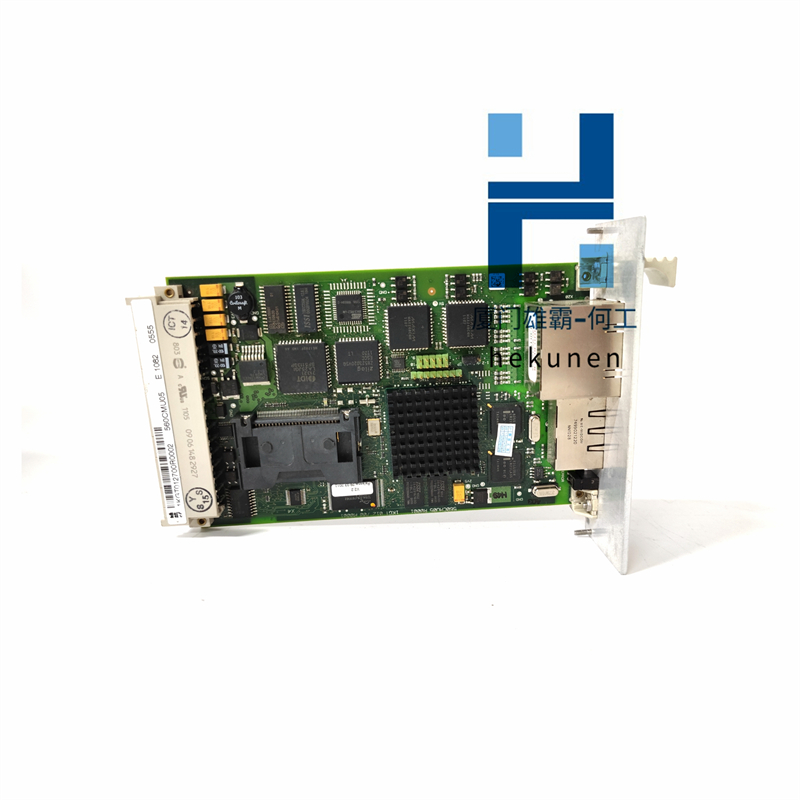
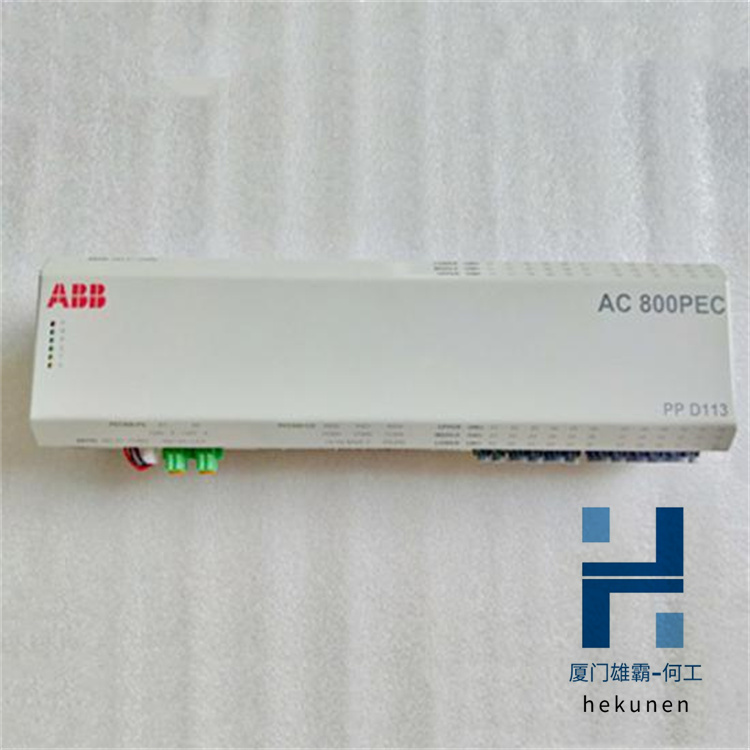
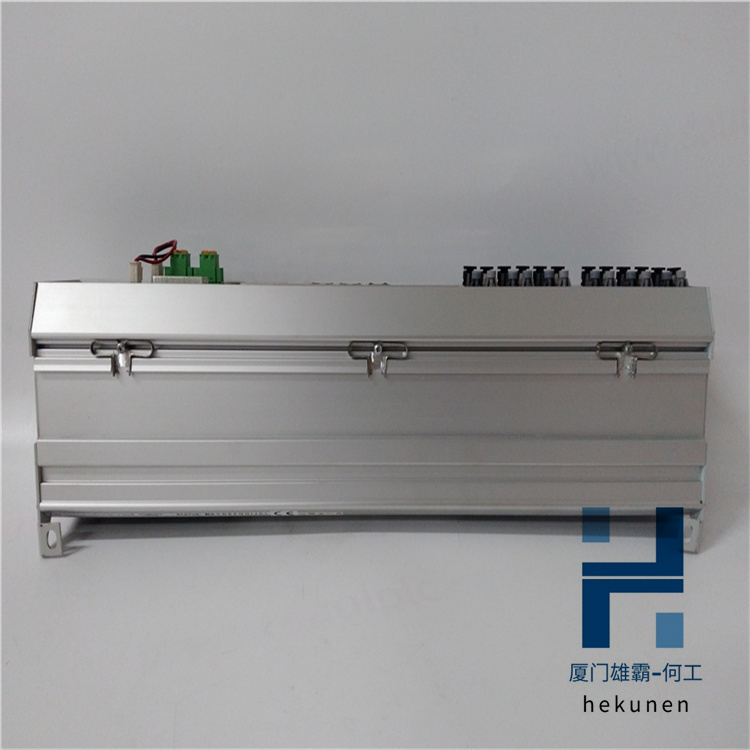
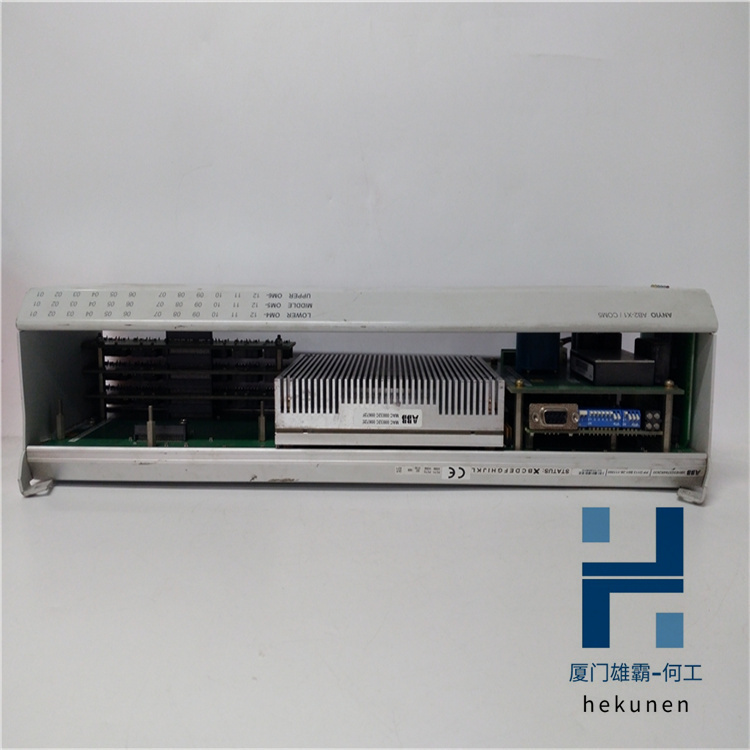
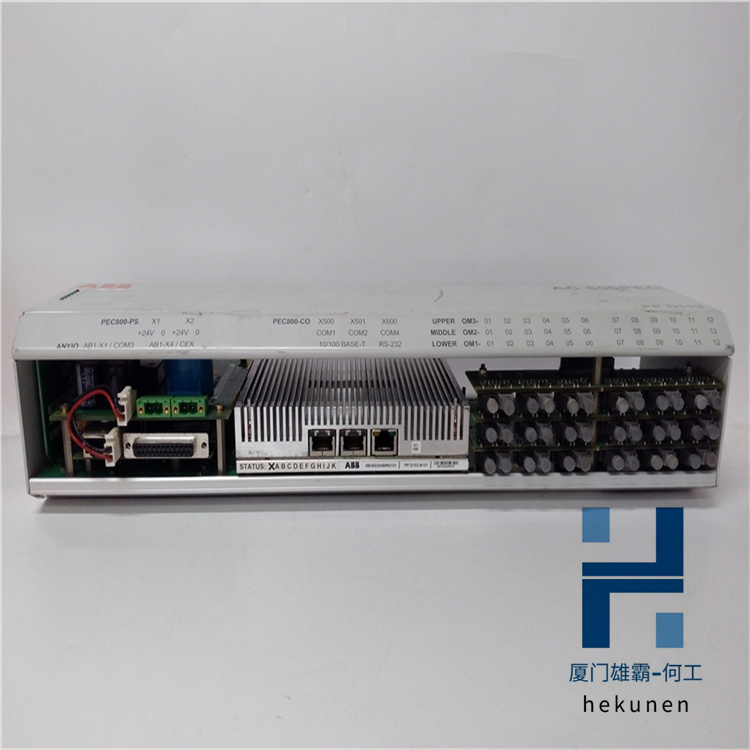
型号: PPD113-B03-10-150000
分类: ABB系统备件
联系人:何经理
手机:13313705507
QQ:2235954483
邮箱:2235954483@qq.com
地址:厦门市思明区吕岭路1733号万科创想中心2009室
网络共存和优先级
“用于 EtherNet/IPTM 的时间敏感网络 (TSN) 将通过 IEEE 802.1Q-2018 及其修订版、IEEE 802.1CB、IEEE 802.1AS-2020、IEEE 802.1AB-2016 和 IEC/IEEE 60802 标准实现,从而实现ODVA 总裁兼执行董事 Al Beydoun 博士告诉 IEB。
“将在 IEC/IEEE 60802 发布后发布的新通用工业规范 (CIP TM ) 应用规范将使支持 IEC/IEEE 60802 的 TSN 成为 EtherNet/IP 的一个选项。用户将能够在本地实现 TSN 应用程序配置文件或利用网关来允许通过 TSN 网络进行融合通信。任何一种方法都将允许与其他符合 IEC/IEEE 60802 的设备进行公平的网络级访问。现有的 EtherNet/IP 设备也可以在 TSN 网络上工作,尽管与非 TSN 网络相比,它们的网络服务质量可能会下降,”他补充道。
Beydoun 表示,开发集中式网络控制器和集中式配置实体以以通用方式正确配置 TSN 设备之间的通信将构成重大障碍。
由于工业网络融合生态系统的这种共享通信配置是一个新概念,因此需要大量开发资源和超出当前 IEC/IEEE 60802 规范工作的额外合作。
此外,供应商必须承诺在多个产品线中开发大量新设备,为用户提供足够的生态系统来鼓励采用。此外,用户必须承担引入符合 IEC/IEEE 60802 TSN 的全新网络的额外资本支出,以便获得尽可能多的网络共存、流量优先级和网络利用率优势。标准开发人员必须继续开发 IEC/IEEE 60802 标准,以实现 TSN 段和子网之间的时间敏感传输。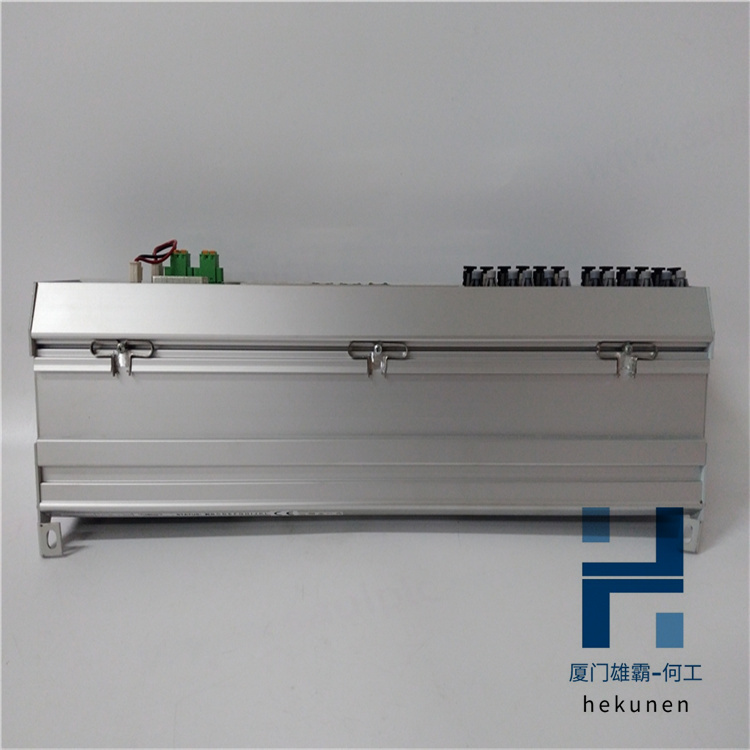
与当今标准的未修改以太网相比,基于 IEC/IEEE 60802 的 TSN 承诺提供共存、更高的网络利用率和改进的配置工具。抢占、调度、通用 QoS 实现、路径预留和 IEEE 802.1CB 容错技术正在被指定。
这些技术都依赖于将时间同步标准从现场总线规范向上移动到 IEEE 802.1。所有参与 IEC/IEEE 60802 通信的设备都需要对时间有共同的实现和理解。IEEE标准。802.1AS-2020 将是驱动时间同步的时间协议。IEC/IEEE 60802 TSN 设备在处理和转发通信数据包时也需要遵守与流量计划中定义的相同的规则,以参与实时 (TSN) 通信。所有 IEC/IEEE 60802 客户端设备都将使用 YANG 的通用语言访问并在基于 IEC/IEEE 60802 的网络上运行。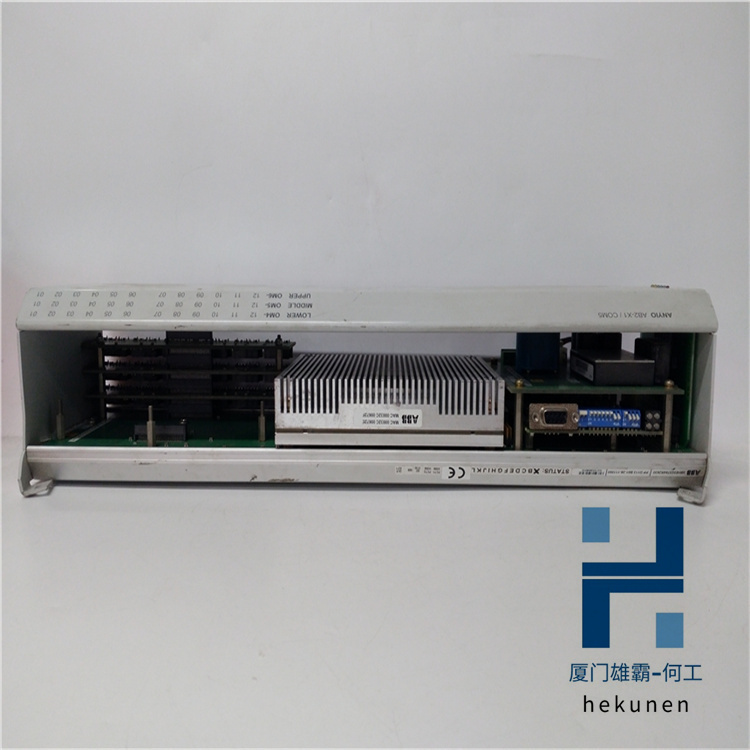
以下是我司【主营产品】,有需要可以发来帮您对比下价格哦!
主营:世界品牌的PLC 、DCS 系统备件 模块
①Allen-Bradley(美国AB)系列产品》
②Schneider(施耐德电气)系列产品》
③General electric(通用电气)系列产品》
④Westinghouse(美国西屋)系列产品》
⑤SIEMENS(西门子系列产品)》
⑥销售ABB Robots. FANUC Robots、YASKAWA Robots、KUKA Robots、Mitsubishi Robots、OTC Robots、Panasonic Robots、MOTOMAN Robots。
⑦estinghouse(西屋): OVATION系统、WDPF系统、MAX0系统备件。
⑧Invensys Foxboro(福克斯波罗):I/A Series系统,FBM(现场输入/输出模块)顺序控制、梯形逻辑控制、事故追忆处理、数模转换、输入/输出信号处理、数据通信及处理等。Invensys Triconex: 冗余容错控制系统、基于三重模件冗余(TMR)结构的现代化的容错控制器。
⑨Siemens(西门子):Siemens MOORE, Siemens Simatic C1,Siemens数控系统等。
⑩Bosch Rexroth(博世力士乐):Indramat,I/O模块,PLC控制器,驱动模块等。
◆Motorola(摩托):MVME 162、MVME 167、MVME1772、MVME177等系列。
PLC模块,可编程控制器,CPU模块,IO模块,DO模块,AI模块,DI模块,网通信模块,
以太网模块,运动控制模块,模拟量输入模块,模拟量输出模块,数字输入模块,数字输出
模块,冗余模块,电源模块,继电器输出模块,继电器输入模块,处理器模块。
“Time Sensitive Networking (TSN) for EtherNet/IPTM will be made possible through the IEEE 802.1Q-2018 and amendments, IEEE 802.1CB, IEEE 802.1AS-2020, IEEE 802.1AB-2016 and IEC/IEEE 60802 standards, resulting in optimal network coexistence and prioritization,” Dr. Al Beydoun, President and Executive Director at ODVA, told IEB recently.
“A new Common Industrial Profile (CIPTM) Application Profile that will be released after IEC/IEEE 60802 is published will make IEC/IEEE 60802-enabled TSN an option for EtherNet/IP. End users will be able to natively implement the TSN application profile or leverage a gateway to allow for con-verged communication over a TSN network. Either approach will allow for fair network level access with other IEC/IEEE 60802-compliant devices. Existing EtherNet/IP devices can also work on TSN networks, although their Quality of Service on the wire may be degraded when com-pared to a non-TSN network,” he added.
Beydoun said that the development of Centralized Network Controllers and centralized configuration entities to properly configure the communications between TSN devices in a common manner will pose a significant hurdle.
Substantial development resources and additional cooperation above and beyond the current IEC/IEEE 60802 specification work will be required since this shared communications configuration for a converged ecosystem of industrial networks is a new concept.
Additionally, vendors must commit to developing a significant number of new devices across multiple product lines to offer end users a sufficient ecosystem to encourage adoption. Also, end users must commit to the added capital expenditure of introducing an entirely new network that is IEC/IEEE 60802 TSN compliant in order to reap the most possible network coexistence, traffic prioritization, and network utilization benefits. Finally, standards developers must continue to develop the IEC/IEEE 60802 standard to enable time sensitive transport between TSN segments and subnets.
IEC/IEEE 60802 based TSN promises to provide coexistence, higher network utilization and improved configuration tools compared to the standard unmodified Ethernet of today. The technologies of preemption, scheduling, universal QoS implementations, path reservations, and IEEE 802.1CB fault tolerance are being specified.
These technologies all rely on moving time synchronization standards up a layer from fieldbus specifications to IEEE 802.1. All devices that participate in IEC/IEEE 60802 communication need to have a common implementation and understanding of time. IEEE Std. 802.1AS-2020 will be the time protocol that drives time synchronization. IEC/IEEE 60802 TSN devices will also need to adhere to the same rules in processing and forwarding communication packets as defined in traffic schedules to participate in real-time (TSN) communication. Finally, all IEC/IEEE 60802 client devices will gain access to and run on an IEC/IEEE 60802 based network using the common language of YANG.
如果您有任何问题,请跟我们联系!
联系我们