
服务热线
13313705507
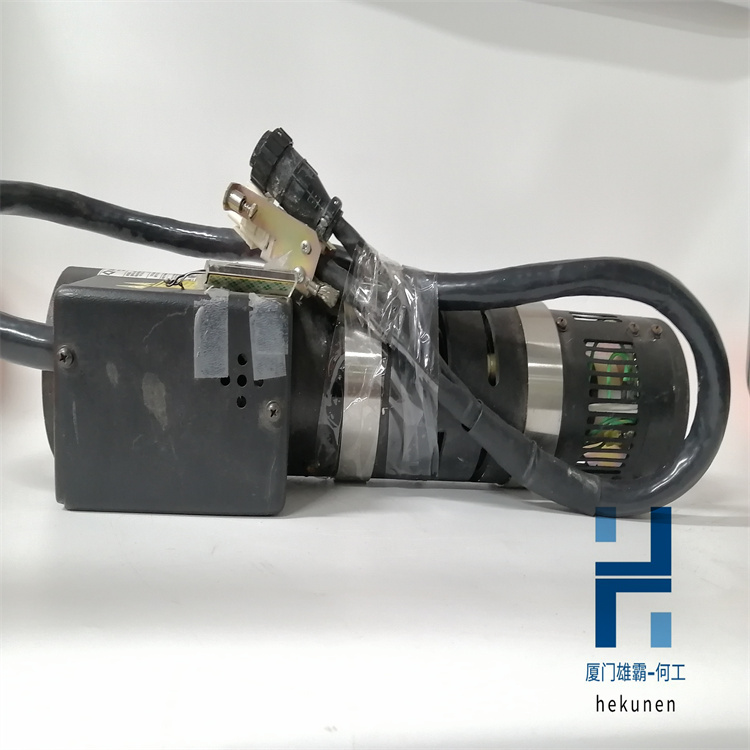
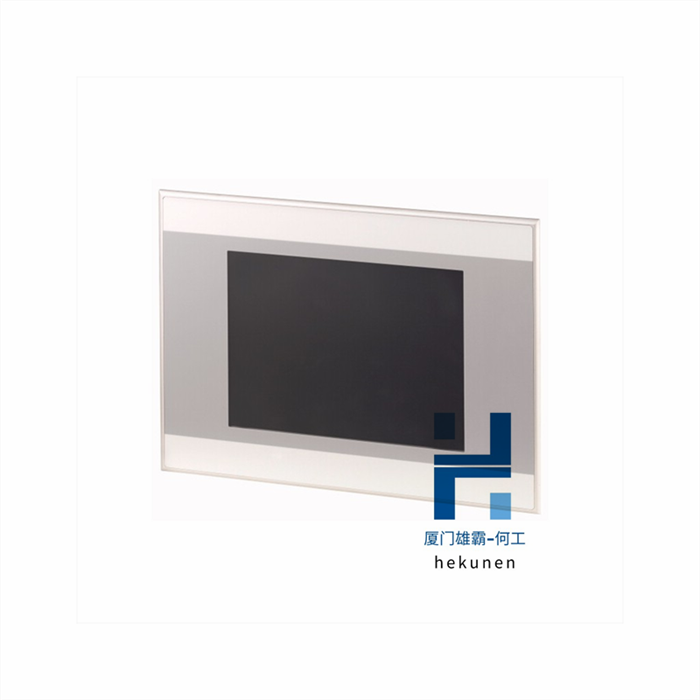
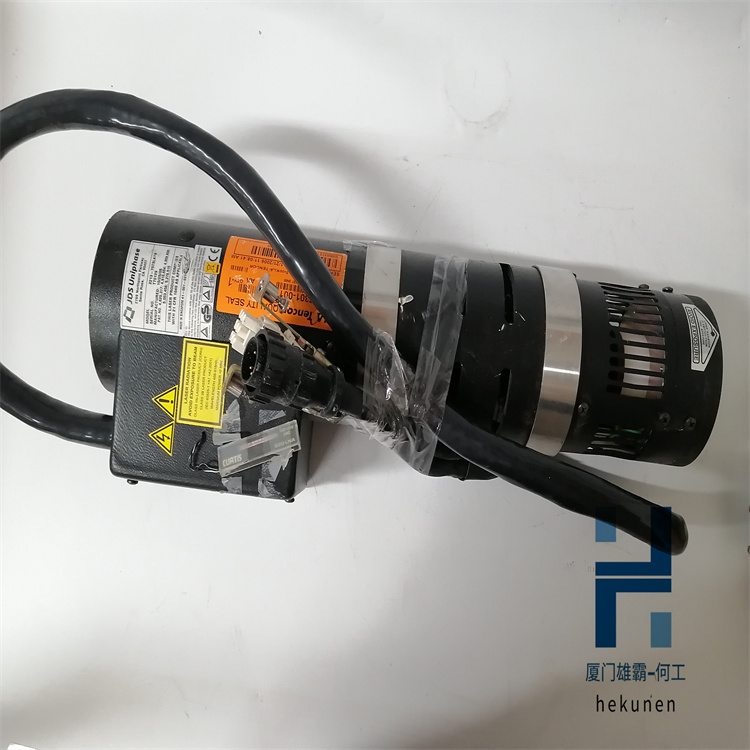
型号: 2213-75TSLKTB
分类: 其他
联系人:何经理
手机:13313705507
QQ:2235954483
邮箱:2235954483@qq.com
地址:厦门市思明区吕岭路1733号万科创想中心2009室
IEC/IEEE 60802 TSN 的一个优势示例是能够通过使用通用时间概念将网络与运动控制规划器对齐来调整 CIP 运动。一旦 CIP Motion 和 60802 对齐,可以根据需要使用调度来促进网络传输,以满足网络需求并与现有流量公平共存。
“无论网络、设备制造商或设备类型如何,一旦您拥有一个融合网络,您就有更多机会节省布线、更轻松的网络管理、基于云的数据分析、IT 和 OT 流量的混合网络,以及更全面的工厂指标以及其他潜在好处,”Beydoun 说。
“通过同一条线路运行的安全摄像头、云分析和实时 I/O 数据等应用程序可以成为现实。一个更具凝聚力的工厂控制网络可以更好地连接到企业级 IT 网络,从而实现更好的资产可见性、更多的数据分析和生产优化机会,以及更少的工人培训和维护成本。”
一系列 TSN 实施选项
根据 Avnu 联盟总裁 Greg Schlechter 和 ADI 公司确定性以太网技术组主管 Jordon Woods 的说法,根据 802.1 标准定义的 TSN 协议和功能工具箱提供了一系列实施选项。
确定性在不同的应用中有不同的用途,工业、汽车、消费和专业 AV 行业的制造商将需要灵活选择软件和芯片来满足他们的特定用例。但是,过多的碎片化和 TSN 组件将永远无法实现可持续生态系统所需的规模经济。为了使 TSN 实现大规模采用,TSN 的实施必须根据不同应用的需要尽可能具体,同时在芯片级别上保持尽可能统一。
IEEE 目前正在为应用程序定义技术配置文件、为专业 AV 定义 802.1BA、用于汽车的 802.1DG 和用于工业的 60802 的工作告诉我们 TSN 实现将如何区分,但它也揭示了它们在网络层面。Avnu 的硅验证任务组正在努力为基础硅配置文件的一致性和互操作性定义测试计划。这种互操作性将使硅元件制造商能够提供能够满足不同市场需求的产品,从而加速广泛的 TSN 生态系统的发展。
以下是我司【主营产品】,有需要可以发来帮您对比下价格哦!
主营:世界品牌的PLC 、DCS 系统备件 模块
①Allen-Bradley(美国AB)系列产品》
②Schneider(施耐德电气)系列产品》
③General electric(通用电气)系列产品》
④Westinghouse(美国西屋)系列产品》
⑤SIEMENS(西门子系列产品)》
⑥销售ABB Robots. FANUC Robots、YASKAWA Robots、KUKA Robots、Mitsubishi Robots、OTC Robots、Panasonic Robots、MOTOMAN Robots。
⑦estinghouse(西屋): OVATION系统、WDPF系统、MAX0系统备件。
⑧Invensys Foxboro(福克斯波罗):I/A Series系统,FBM(现场输入/输出模块)顺序控制、梯形逻辑控制、事故追忆处理、数模转换、输入/输出信号处理、数据通信及处理等。Invensys Triconex: 冗余容错控制系统、基于三重模件冗余(TMR)结构的现代化的容错控制器。
⑨Siemens(西门子):Siemens MOORE, Siemens Simatic C1,Siemens数控系统等。
⑩Bosch Rexroth(博世力士乐):Indramat,I/O模块,PLC控制器,驱动模块等。
◆Motorola(摩托):MVME 162、MVME 167、MVME1772、MVME177等系列。
PLC模块,可编程控制器,CPU模块,IO模块,DO模块,AI模块,DI模块,网通信模块,
以太网模块,运动控制模块,模拟量输入模块,模拟量输出模块,数字输入模块,数字输出
模块,冗余模块,电源模块,继电器输出模块,继电器输入模块,处理器模块。
An array of TSN implementation options
According to Greg Schlechter, president of the Avnu Alliance and Jordon Woods, director of the deterministic Ethernet technology group at Analog Devices, the toolbox of TSN protocols and capabilities defined under 802.1 standards offers an array of implementation options.
Determinism serves different purposes in different applications, and manufacturers across industrial, automotive, consumer, and professional AV industries will need a flexible selection of software and silicon to meet their particular use cases. Too much fragmentation, though, and TSN components will never achieve the economies of scale required for a sustainable ecosystem. For TSN to achieve large-scale adoption, TSN implementation must be as specific as needed for diverse applications while remaining as unified as possible at the silicon level.
The work currently being done at IEEE to define technical profiles for applications, 802.1BA for professional AV, 802.1DG for automotive, and 60802 for industrial, tells us how TSN implementations will be differentiated, but it also reveals how much they have in common at the network level. Avnu’s Silicon Validation Task Group is working to define test plans for base silicon profile conformance and interoperability. This interoperability would allow silicon component manufacturers to offer products that can serve diverse market requirements, accelerating the development of a broad TSN ecosystem.
如果您有任何问题,请跟我们联系!
联系我们