
服务热线
13313705507
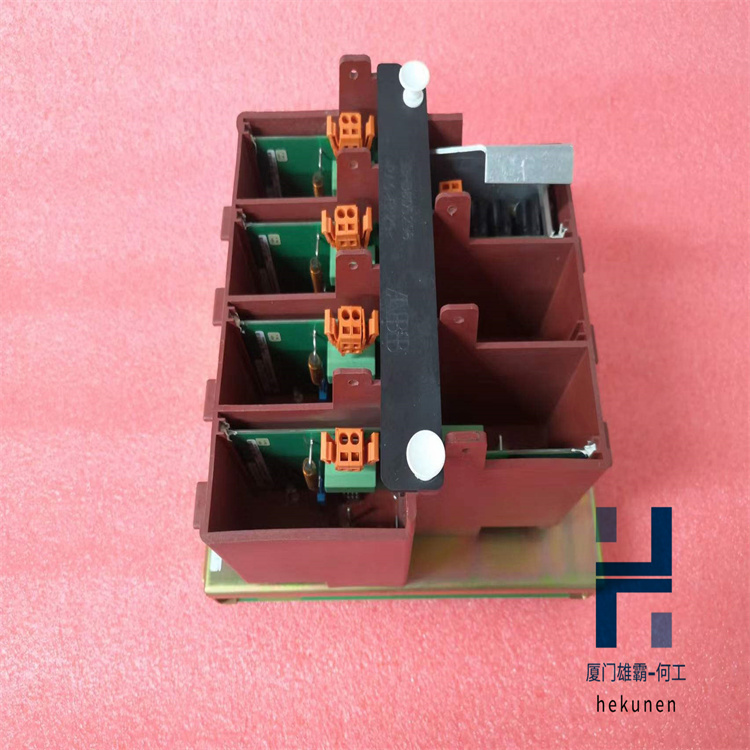
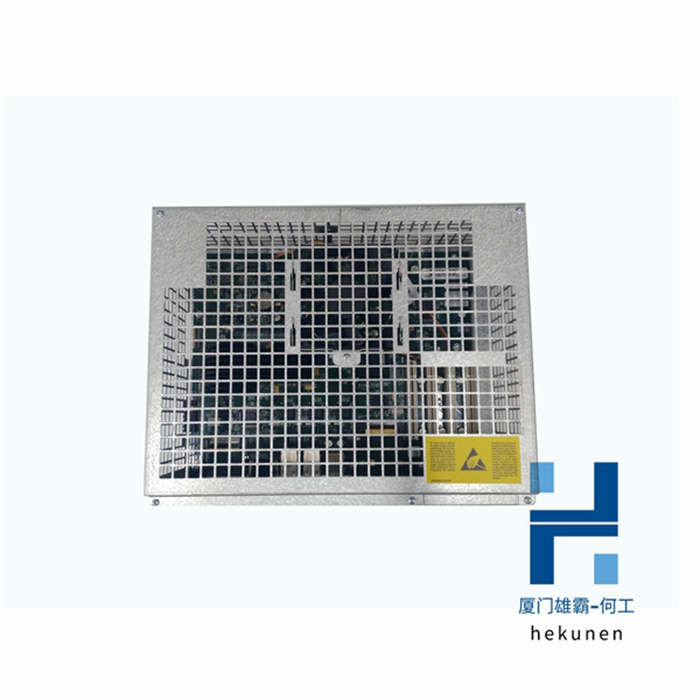
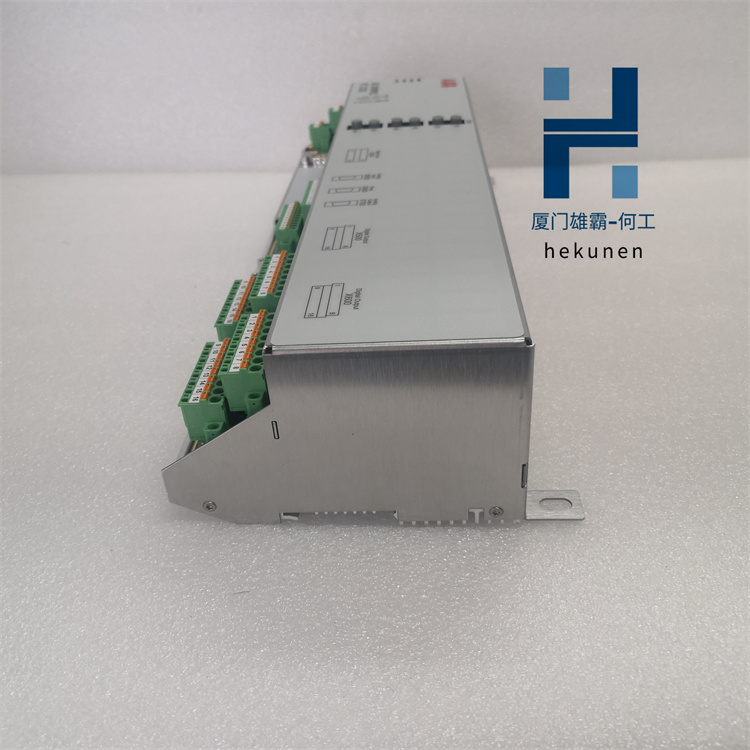
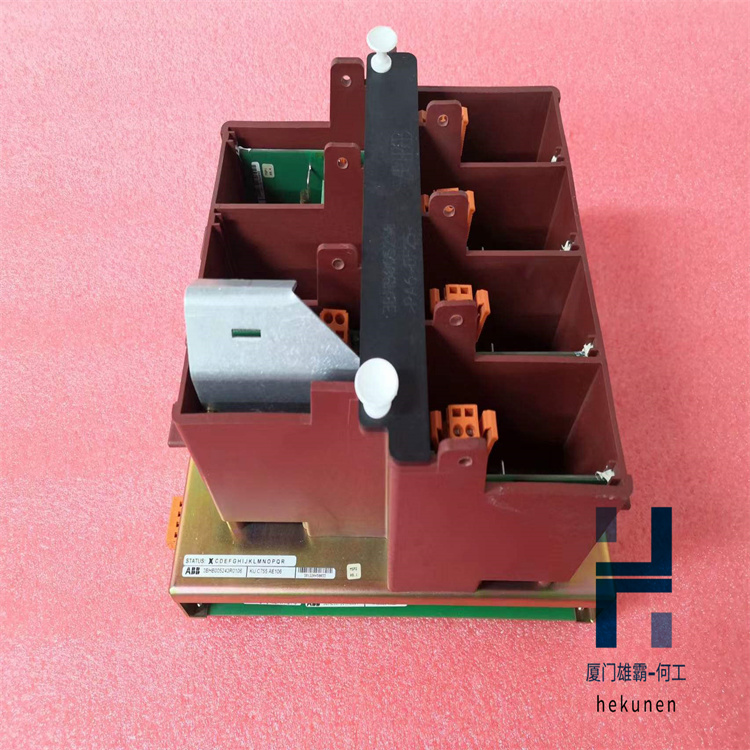
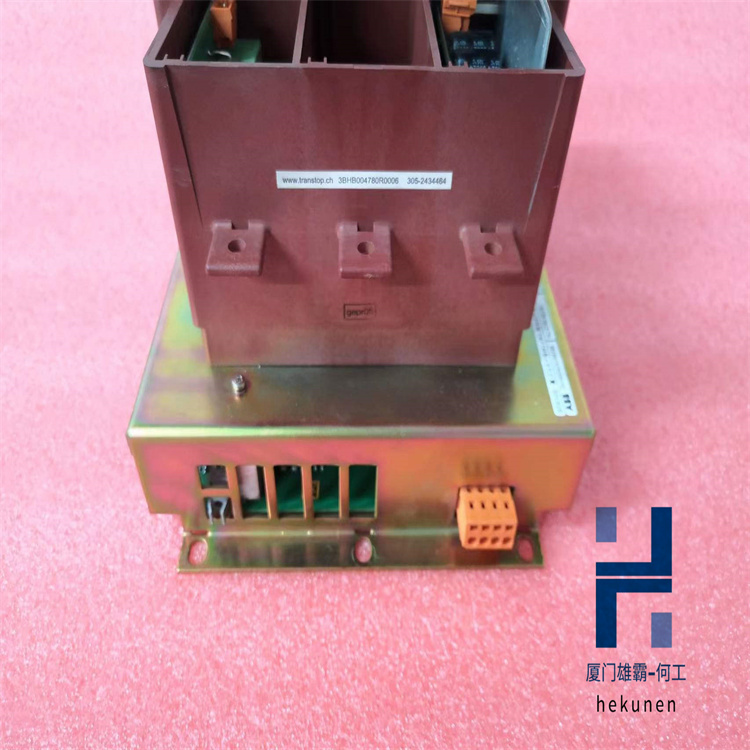
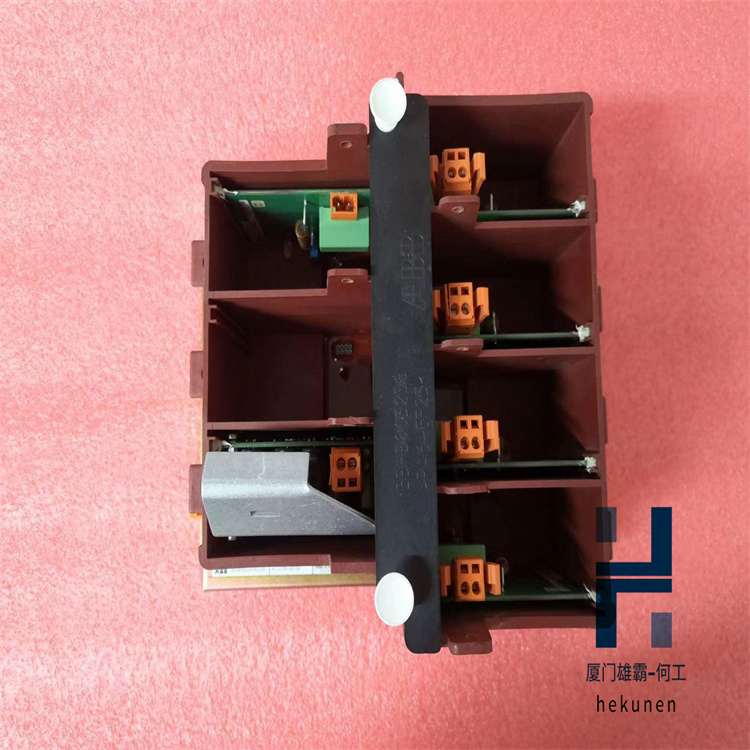
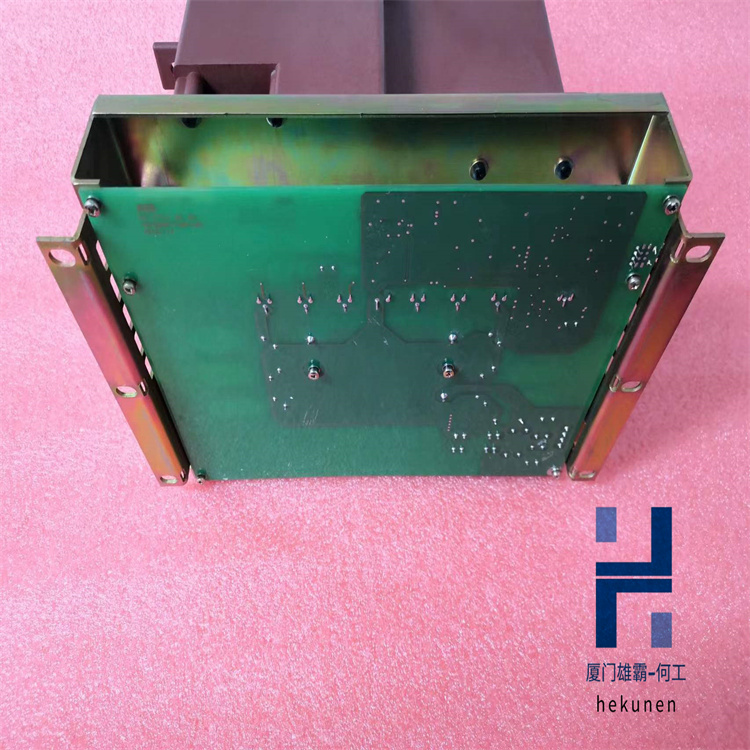
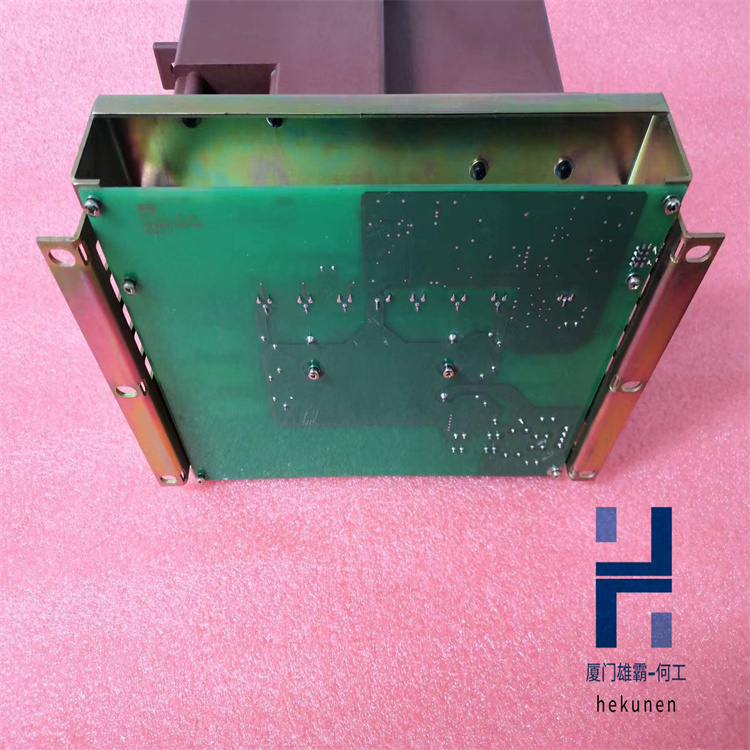
型号: KUC755AE106
分类: ABB系统备件
联系人:何经理
手机:13313705507
QQ:2235954483
邮箱:2235954483@qq.com
地址:厦门市思明区吕岭路1733号万科创想中心2009室
Jaeger 表示,这些新趋势在网络解决方案方面提供的技术优势集中在一系列领域。
千兆以太网趋势(1GbE、2.5GbE、5GbE、10GbE):网络节点、信息和新应用的急剧增加只能通过更多带宽来解决。此外,GbE 通常提供更低的网络延迟,从而带来更好的应用程序性能。
5G 和 802.11ac:5G 承诺有几个好处,包括一方面具有极低延迟的稳定通信,另一方面,取决于所选择的部署,具有多 Gbps 带宽。802.11ac 是 WLAN 技术的逻辑演进,因此部分向后兼容。更大的带宽、更高的安全性、更高的无线电稳定性和更少的干扰。
集成网络监控:为了管理网络,所有相关参数都必须在手边。必须监控网络的健康状况,并且必须能够从中央控制中心快速轻松地排除故障。显然,IT和OT在网络监控方面有着不同的需求。只有集成解决方案才能提供跨 IT 和 OT 网络的整体视图。
IEC 62443:网络安全只能作为一个整体概念。从产品设计到安全产品功能,再到网络管理和漏洞修复。IEC 62443 是提供纵深防御方法的标准。
SPE/APL:通过使用 SPE/APL 技术,可以更轻松地将当前的两线制、通常基于串行的通信改造成以太网。可以减少昂贵的基础设施投资。
TSN:时间敏感型有助于高速组网、大容量数据传输、高精度运动控制和低延迟。TSN 可以优先考虑网络流量,这保证了实时通信,并意味着时间关键数据将在正确的时间传递到正确的位置。换言之,在一个统一的网络上融合应用的目标将在基于标准以太网的工业自动化中实现。
为多样化的应用建立一个统一的网络将是可行的。这消除了时间关键数据无法及时到达目的地的担忧。TSN 还可以增强网络安全性,因为可以安排准确的数据传输,以避免非授权数据的流入。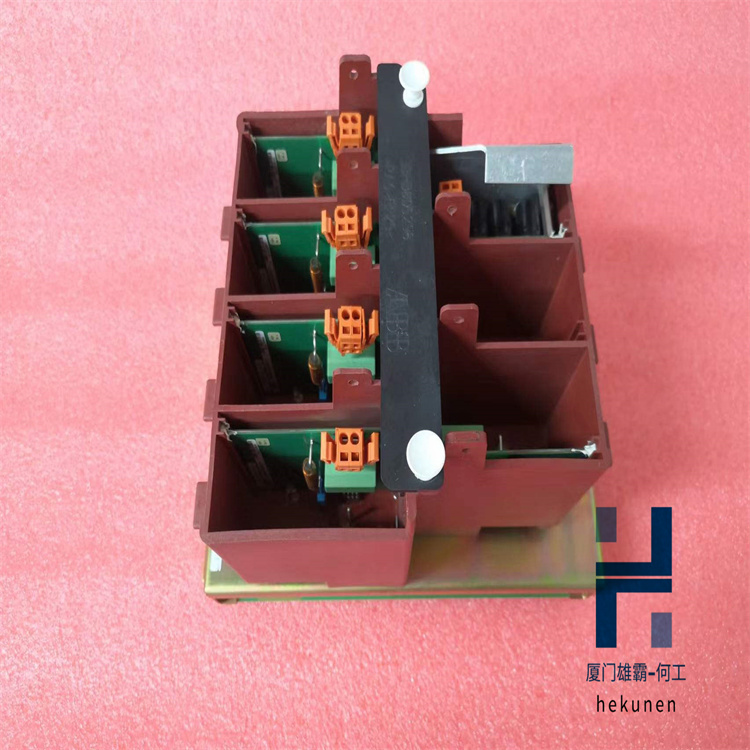
“更多带宽、集成网络解决方案和 IEC 62443 的趋势原则上在所有垂直市场和应用中都是可见的,”Jaeger 说。“目前,5G 和 802.11ac 主要被校园网、AGV/AMR 和其他物流服务采用。SPE/APL 目前主要在过程自动化应用中讨论。”
但他补充说,正是 TSN 具有前景的特性和优势,使其成为广泛应用于半导体、汽车、机械、食品和饮料、化学和发电等各个行业的广泛应用中不可或缺的一部分。然而,每个 TSN 应用都有其特定的要求,目前现有的 TSN 标准与特定应用的 TSN 系统之间存在很大差距。Moxa 与 Xilinx 合作,在为工业 4.0 应用开发时间敏感的网络技术方面取得了进展。
他说,解决方案旨在解决的工程挑战包括:
Jaeger said that the technical benefits that these new trends are offering in terms of networking solutions are focused in a series of areas.
Gigabit Ethernet trends (1GbE, 2.5GbE, 5GbE, 10GbE): The sheer increase of network nodes, information and new applications can only be solved with more bandwidth. In addition, GbE provides typically lower network latency leading to better application performance.
5G and 802.11ac: 5G promises several benefits, including stable communication with very little latencies on one hand, and multiple Gbps bandwidth on the other hand, depending on the chosen deployment. 802.11ac is the logical evolution of WLAN technology, and therefore partly backward compatible. More bandwidth, more security, more radio stability with less interferences.
Integrated Network Monitoring: In order to manage a network, all relevant parameters must be at hand. The health of network must be monitored, and quick and easy trouble shooting must be possible from a central control center. Obviously, IT and OT have different needs in terms of network monitoring. Only integrated solutions can provide a holistic view across IT and OT networks.
IEC 62443: Cybersecurity can only work as a holistic concept. From product design, over security product features, to network management, and vulnerability fixing. IEC 62443 is the only standard which provides a defense-in-depth approach.
SPE/APL: Current two-wire, often serial based communication can be easier retrofitted to Ethernet networks by using SPE/APL technology. Expensive infrastructure investments can be reduced.
TSN: Time-sensitive facilitates high-speed networking, large volumes of data transmission, highly accurate motion control, and low latency. TSN can prioritize network traffic, which guarantees real-time communication and means time-critical data will be delivered to the right place at the right time. In other words, the aim of a converged application on one unified network will be accomplished in industrial automation based on standard Ethernet.
Eventually, it will be feasible to have one unified network for diversified applications. This eliminates the concern that time-critical data would not reach its destination in time. TSN can also enhance network security because accurate data transmission can be scheduled to avoid the inflow of non-authorized data.
“The trends to more bandwidth, integrated networking solutions and IEC 62443 are in principle visible across all vertical markets and applications,” Jaeger said. “5G and 802.11ac are currently mostly adopted by Campus networks, AGV/AMR and other logistical services. SPE/APL is currently mostly discussed in process automation applications.”
But he added that it is the promising features and benefits of TSN that make it indispensable to a wide range of applications that are extensively used across various industries, including semiconductor, automotive, machinery, food and drink, chemical, and power generation. However, each TSN application comes with its specific requirements, and currently there is a substantial gap between existing TSN standards and application-specific TSN systems. Moxa collaborated with Xilinx to make headway in developing time-sensitive networking technologies for Industry 4.0 applications.
He said that the engineering challenges that the newest solutions are designed to address include:
如果您有任何问题,请跟我们联系!
联系我们