
服务热线
13313705507
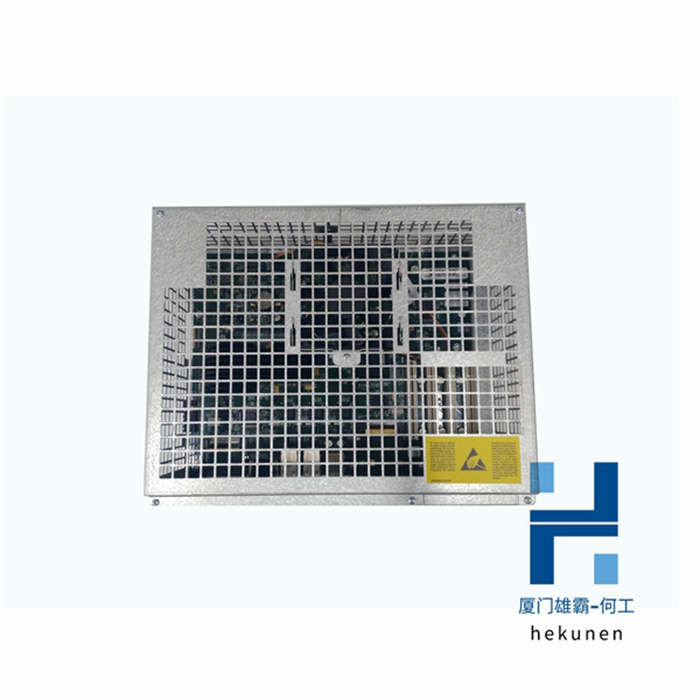
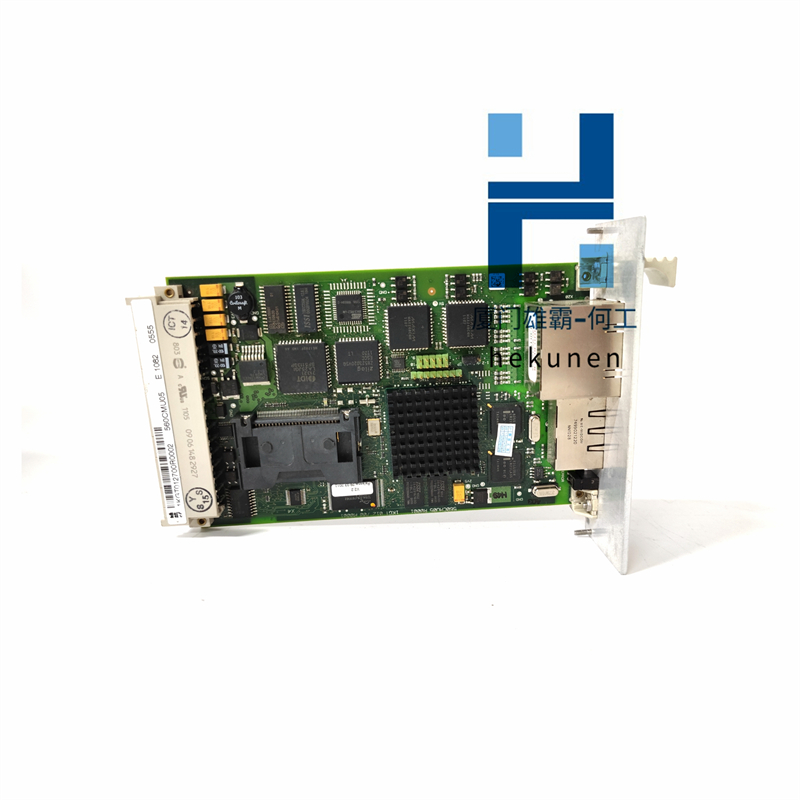
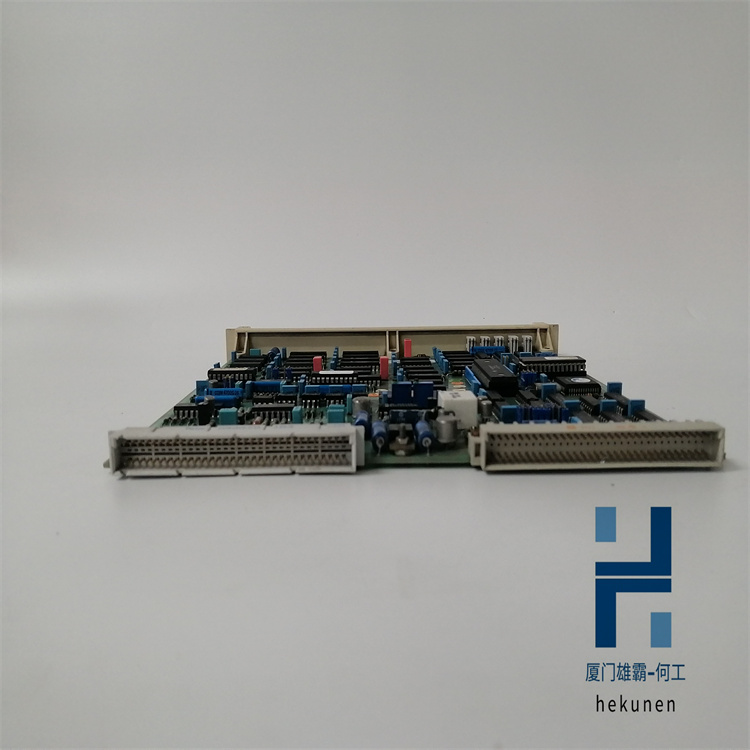
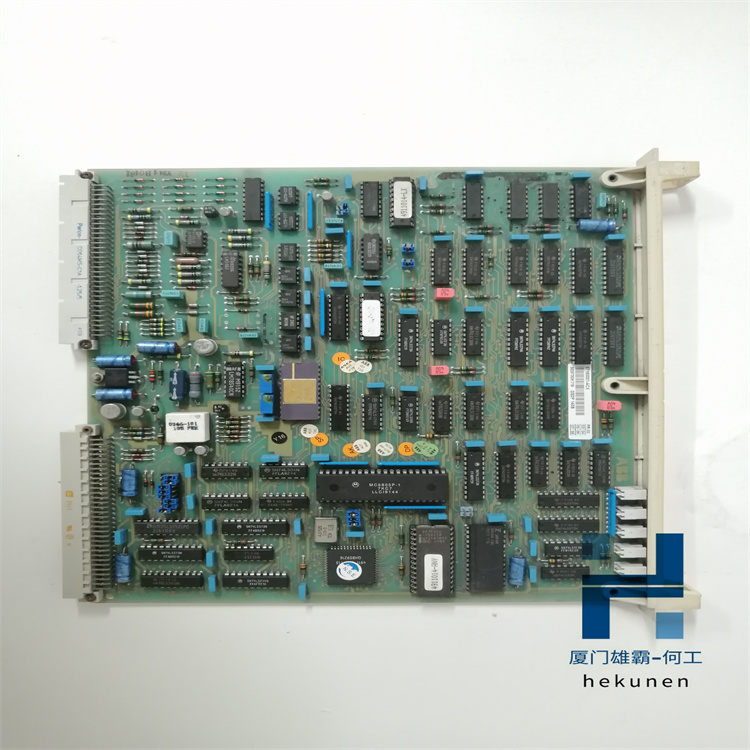
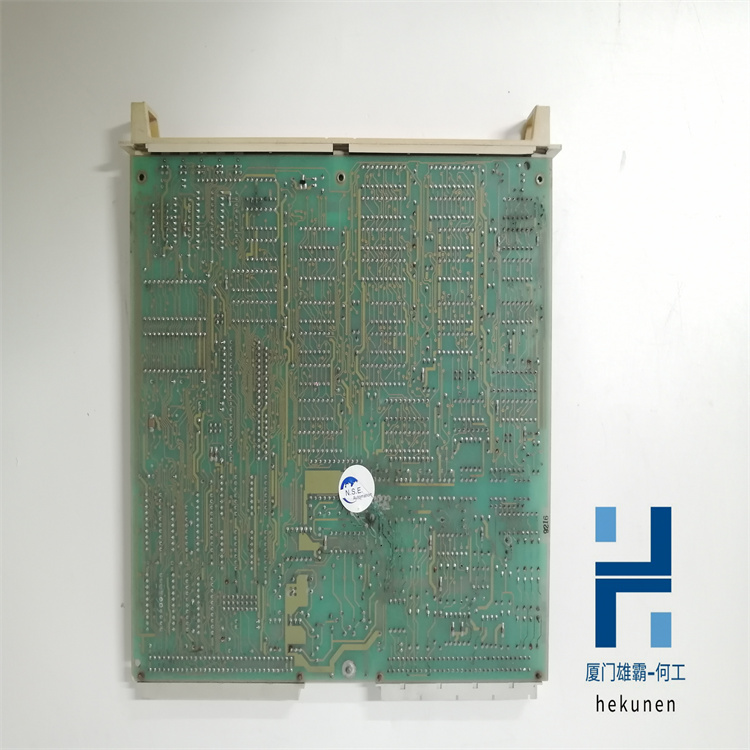
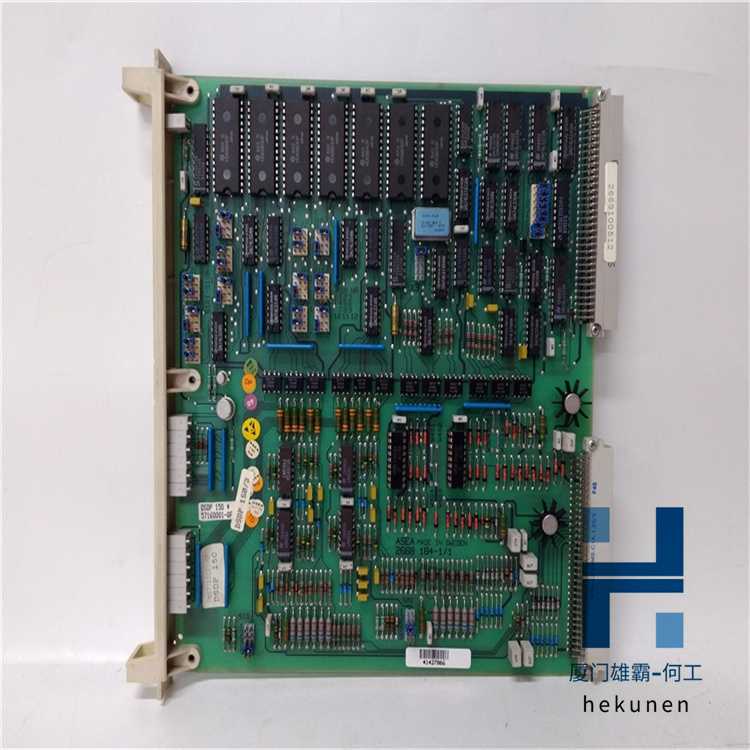
型号: DSDP140A
分类: ABB系统备件
联系人:何经理
手机:13313705507
QQ:2235954483
邮箱:2235954483@qq.com
地址:厦门市思明区吕岭路1733号万科创想中心2009室
TE Connectivity 全球产品经理 Sofia Sevastidou 表示,影响一代工业以太网网络组件开发的工业网络关键技术趋势分为两大类。
一是需要在更小的空间内提供更多的电力。随着我们向更多数据驱动的工业自动化迈进,设备和装置越来越需要能够提供支持更多数据所需的更高水平功率的解决方案。
“随着更多机器的升级,更高功率的解决方案很容易开始占用工厂车间的宝贵空间,因此这些解决方案的设计必须考虑到小型化,”Sevastidou 说。“在这些不断变化的期望中,我们看到了更多工业以太网网络组件的发展,这些组件在更小的封装中提供更高的功率,以满足不断增长的功率要求和小型化的需求。”
Sevastidou 提到的第二个重要领域是组件的标准化。组件创新为工业以太网网络创造了令人兴奋的可能性,而整个行业的标准化将是实现这些优势的全部潜力的关键。
当制造商升级他们的设备和设备时,他们希望这样做有信心在未来得到很好的支持。标准化工作有助于确保行业正在努力寻求支持不断增长和不断变化的技术需求的解决方案。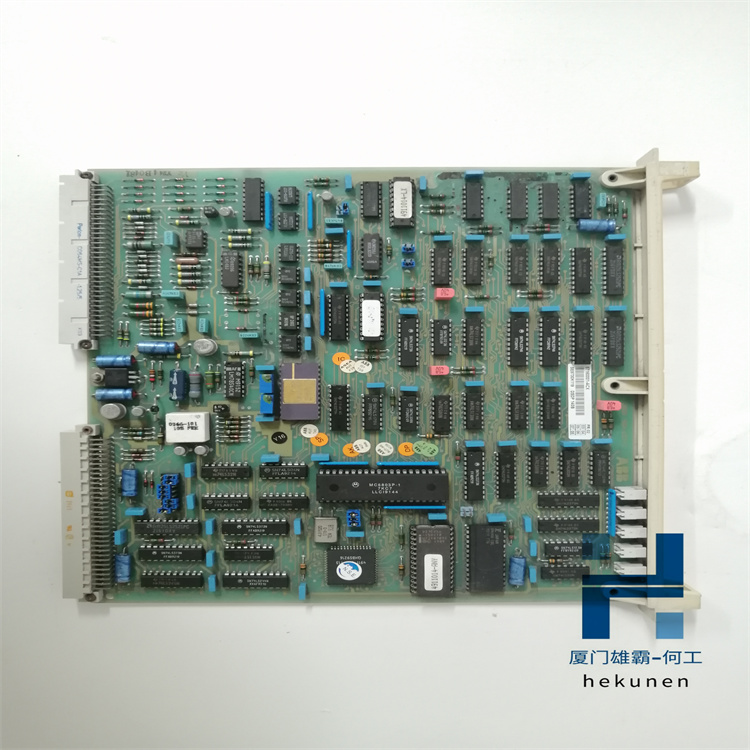
“工业以太网网络中使用的 M12 L 代码连接器就是将这两个关键技术趋势结合在一起的组件的一个很好的例子,”Sevastidou 说。
“PROFIBUS 和 PROFINET International 已选择这种 M12 L 代码格式作为 PROFINET 设备中使用的 24 伏电源系统的标准。该标准有助于满足对在更小的封装中提供更高功率的组件日益增长的需求。”
TE Connectivity (TE) 推出了其 M12 L 代码电缆组件,它是当前 M12 IEC 标准的扩展。这些解决方案每针可处理高达 16 A 的功率——在我们的 M12 系列中——提供的功率是标准 M12 连接器的四倍。
由于它们比传统的 7/8 英寸连接器节省多达 40% 的空间,因此它们还提供了重要的空间节省优势并支持配电箱的小型化。随着制造商努力满足对生产力不断增长的需求,M12 L 代码连接器提供了他们所需的可靠和高效的电源。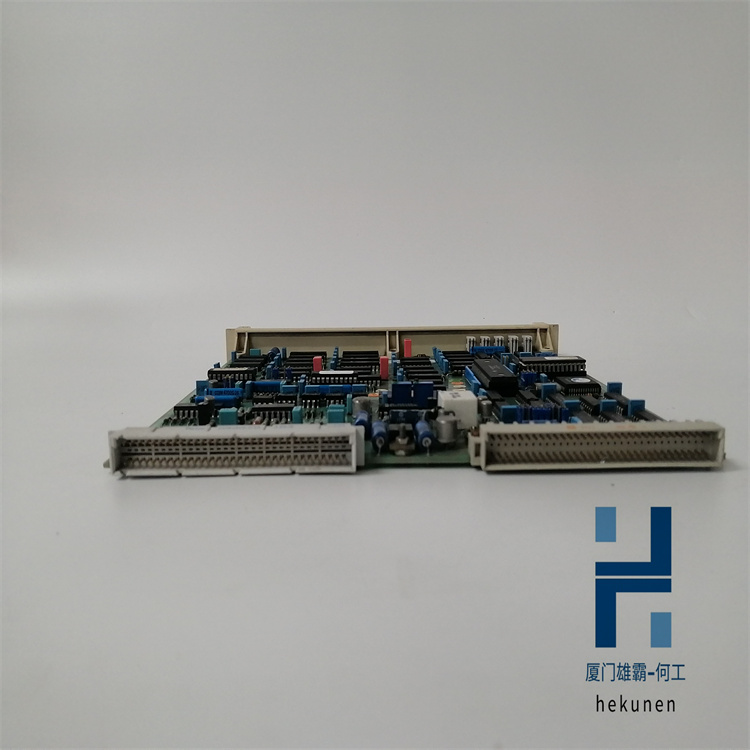
以下是我司【主营产品】,有需要可以发来帮您对比下价格哦!
主营:世界品牌的PLC 、DCS 系统备件 模块
①Allen-Bradley(美国AB)系列产品》
②Schneider(施耐德电气)系列产品》
③General electric(通用电气)系列产品》
④Westinghouse(美国西屋)系列产品》
⑤SIEMENS(西门子系列产品)》
⑥销售ABB Robots. FANUC Robots、YASKAWA Robots、KUKA Robots、Mitsubishi Robots、OTC Robots、Panasonic Robots、MOTOMAN Robots。
⑦estinghouse(西屋): OVATION系统、WDPF系统、MAX0系统备件。
⑧Invensys Foxboro(福克斯波罗):I/A Series系统,FBM(现场输入/输出模块)顺序控制、梯形逻辑控制、事故追忆处理、数模转换、输入/输出信号处理、数据通信及处理等。Invensys Triconex: 冗余容错控制系统、基于三重模件冗余(TMR)结构的现代化的容错控制器。
⑨Siemens(西门子):Siemens MOORE, Siemens Simatic C1,Siemens数控系统等。
⑩Bosch Rexroth(博世力士乐):Indramat,I/O模块,PLC控制器,驱动模块等。
◆Motorola(摩托):MVME 162、MVME 167、MVME1772、MVME177等系列。
PLC模块,可编程控制器,CPU模块,IO模块,DO模块,AI模块,DI模块,网通信模块,
以太网模块,运动控制模块,模拟量输入模块,模拟量输出模块,数字输入模块,数字输出
模块,冗余模块,电源模块,继电器输出模块,继电器输入模块,处理器模块。
Focus on the standardization of components
According to Sofia Sevastidou, global product manager at TE Connectivity, the key technical trends in industrial networking influencing the development of the latest generation of Industrial Ethernet Networking components fall into two broad categories.
One is the need for more power in less space. As we move toward more data-driven industrial automation, equipment and devices increasingly demand solutions that can provide the higher levels of power needed to support more data.
“Higher power solutions can easily begin taking up valuable space on the factory floor as more machines are upgraded, so it is important that these solutions are designed with a small profile in mind,” Sevastidou said. “Amid these evolving expectations, we are seeing the development of more industrial ethernet networking components that deliver higher power in a smaller package to meet both growing power requirements and demand for miniaturization.”
A second important area Sevastidou mentioned is the standardization of components. Innovation in components creates exciting possibilities for industrial Ethernet networking, and standardization across the industry will be key to realizing the full potential of these benefits.
When manufacturers upgrade their equipment and devices, they want to do so with confidence that it will be supported well into the future. Standardization efforts help ensure the industry is working toward solutions that support growing and changing technical demands.
如果您有任何问题,请跟我们联系!
联系我们