
服务热线
13313705507

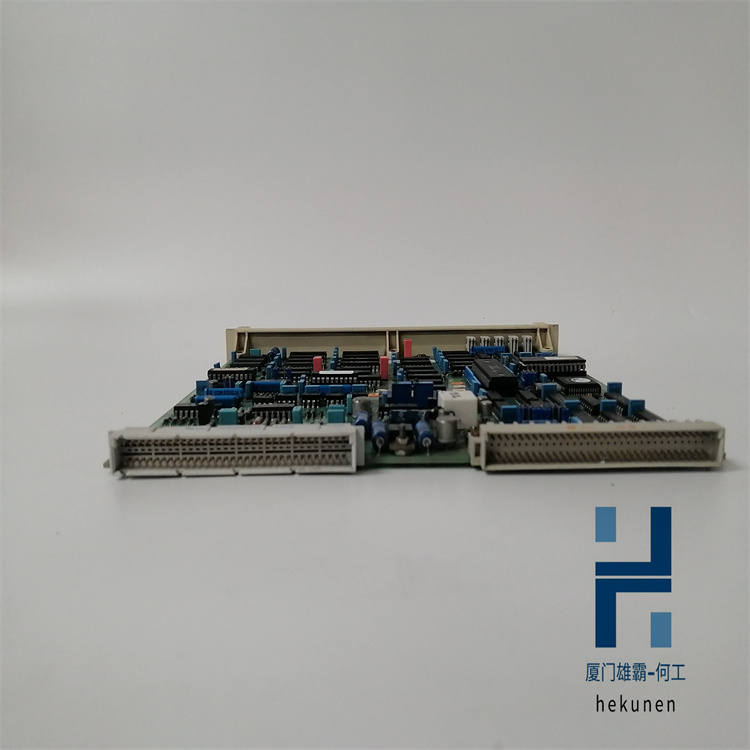
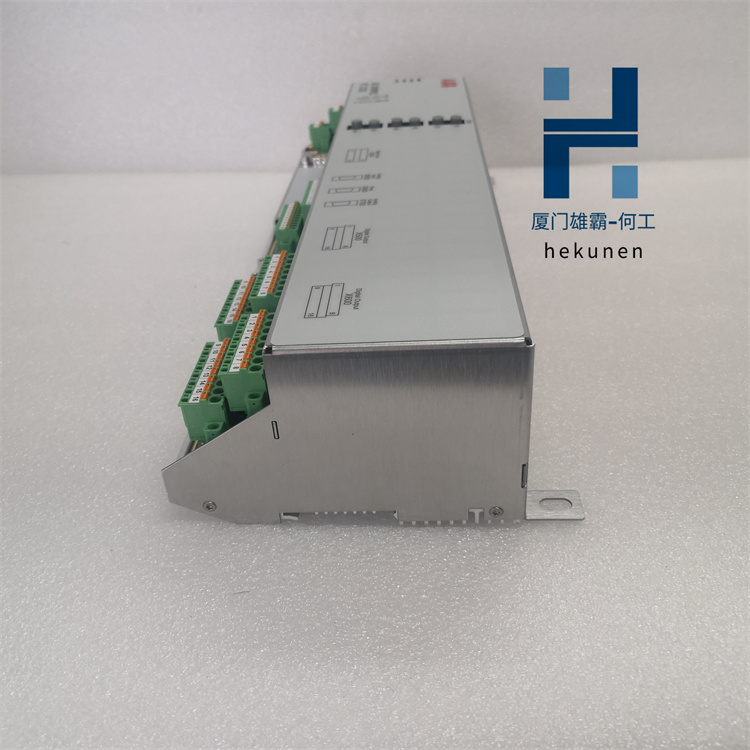
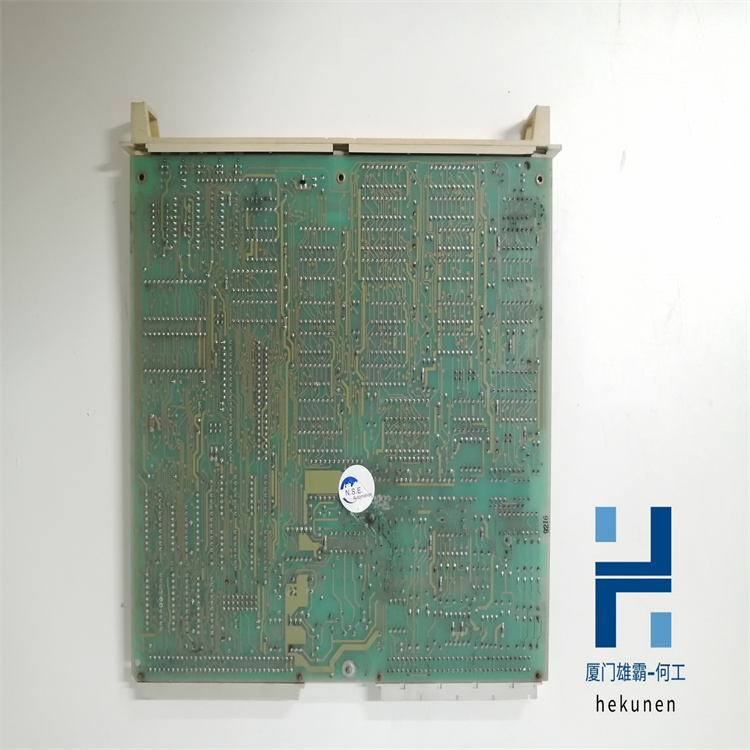
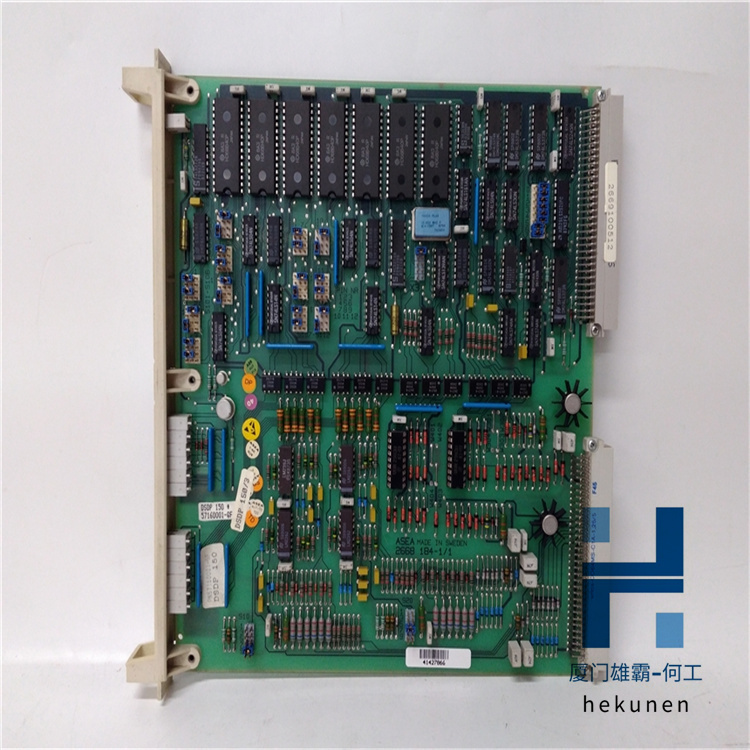
型号: DSDP160
分类: ABB系统备件
联系人:何经理
手机:13313705507
QQ:2235954483
邮箱:2235954483@qq.com
地址:厦门市思明区吕岭路1733号万科创想中心2009室

几十年来,漫游一直是无线设备的理想功能。2002 年引入了 IEEE 802.11r 标准,目前仍在大力发展,主要基础知识已在 IEEE 802.11r-2008 中发布。802.11r 的主要目标是在客户端传输路径上的多个 AP 之间切换无线连接,而不会出现明显延迟。
对于互联网协议语音 (VoIP) 应用程序来说,这一点尤为重要,因为在这些应用程序中,人类对话需要 50 毫秒或更长的传输时间以避免不希望的明显中断。802.11r 标准允许在切换到下一个 AP 之前预先配置身份验证和服务质量 (QoS) 配置的安全和无缝切换速度。它确保了稳定的数据吞吐量,而不会因常规身份验证过程而造成延迟。
要实施 802.11r,无线基础设施需要支持该标准。这通常需要大量额外投资,因为大多数支持 802.11r 的系统除了由无线 LAN 控制器控制的 AP 外,还必须有一个无线 LAN 控制器。
对于不存在必要基础设施且存在成本限制的应用程序,Antaira 快速漫游技术可以以更低的成本提供许多相同的优势。
在此步骤中,两种技术正在适当过渡。不仅单元连接到一个 AP,而且在通信优先级方面具有相同的特权。当延迟可能影响人与人之间的对话时,在 IP 语音场景中这一点很重要。
这种特殊的协议允许在客户的旅行路径之前交换所有必要的信息,从而使过渡顺利和快速。
这是客户端沿可用 AP 传输的方式。
快速漫游的基础设施要求包括:
为了使快速漫游技术正常工作,需要使用具有相同 SSID 和安全密钥的 AP。启用快速漫游后,客户端设备将被配置为扫描周围的 AP。当接收到的信号强度指示 (RSSI) 信号电平很高并且客户端设备可以舒适地专注于提供大数据吞吐量时,有必要设置慢速扫描时间间隔以指定相对较慢的扫描。
接下来,指定将指示迫切需要新连接的 RSSI 阈值级别。当达到此级别时,客户端设备将执行快速扫描以寻找新的 AP。当检测到它时,它将验证并自动连接到新 AP,同时断开当前连接。这个主动过程消除了被剥夺链接的弱信号,并在需要时提前准备新的连接。
我司产品广泛应用于数控机械 冶金,石油天然气,石油化工,
化工,造纸印刷,纺织印染,机械,电子制造,汽车制造,
塑胶机械,电力,水利,水处理/环保,市政工程,锅炉供暖,能源,输配电。
Roaming has been a desired feature in wireless devices for decades. In 2002, the IEEE 802.11r standard was introduced and is still under heavy development with major fundamentals published in IEEE 802.11r-2008. The main goal of 802.11r was to hand over wireless connections between numerous APs along a client travel path without significant delay.
It has been particularly important for Voice over Internet Protocol (VoIP) applications where human conversation requires 50ms or better of transmission time to avoid undesired noticeable interruptions. The 802.11r standard allowed for speed with secure and seamless handoffs where authentication and Quality of Service (QoS) configurations were preconfigured ahead of switching to the next AP. It made for a stable throughput of data without delays caused by the regular authentication process.
To implement 802.11r, the wireless infrastructure needs to support this standard. This typically will require significant additional investment as most systems that support 802.11r must have a Wireless LAN Controller in addition to the APs that are then controlled by the Wireless LAN Controller.
Applications where necessary infrastructure does not exist and there are cost restrictions, then Antaira Rapid Roaming technology can provide many of the same advantages at a much lower cost.
In this step, two technologies are properly transitioning. Not just units are connected to one AP, but it has the same privileges in respect to communication priority. It is important in voice-over IP scenarios when delays could affect the human-to-human conversation.
This special protocol allows exchange of all necessary information ahead of travel path of a client, making the transition smooth and fast.
This is the way Client travels along the available APs.
Infrastructure requirements for rapid roaming include:
In order for the rapid roaming technology to work correctly, it is necessary to use an AP with the same SSID and security key. When rapid roaming is enabled, the client device will be configured to scan for the surrounding APs. It is necessary to set slow scan time intervals to specify relatively slow scans when Received Signal Strength Indication (RSSI) signal levels are high and the client device can comfortably concentrate on delivering the maximum data throughput.
Next, specify the RSSI threshold level that will indicate an imminent need for a new connection. When this level is reached, the client device will be performing fast scans looking for a new AP. When it is detected it will authenticate and auto-connect to the new AP while simultaneously dropping the current connection. This active process eliminates weak signals deprived of links and prepares a new connection ahead when needed.
如果您有任何问题,请跟我们联系!
联系我们