
服务热线
13313705507
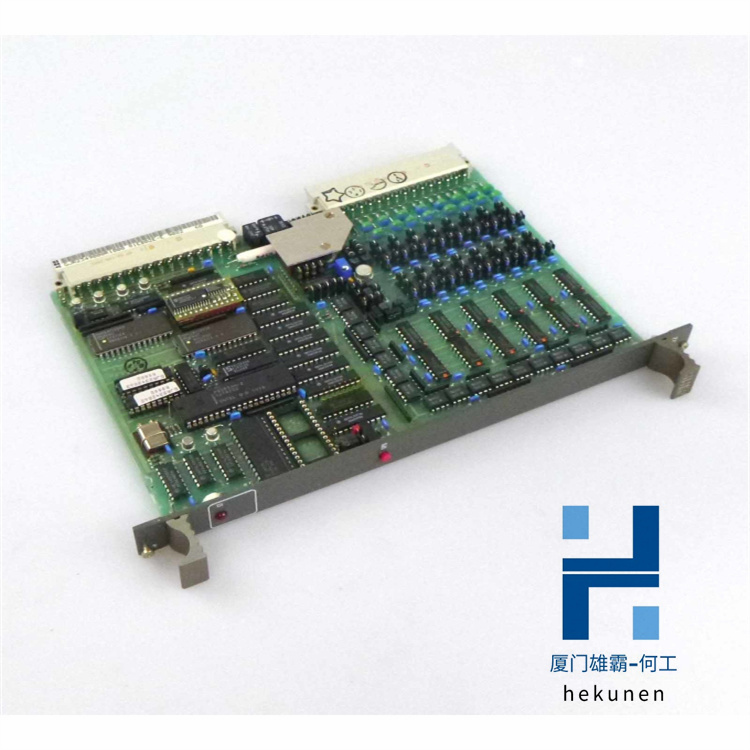
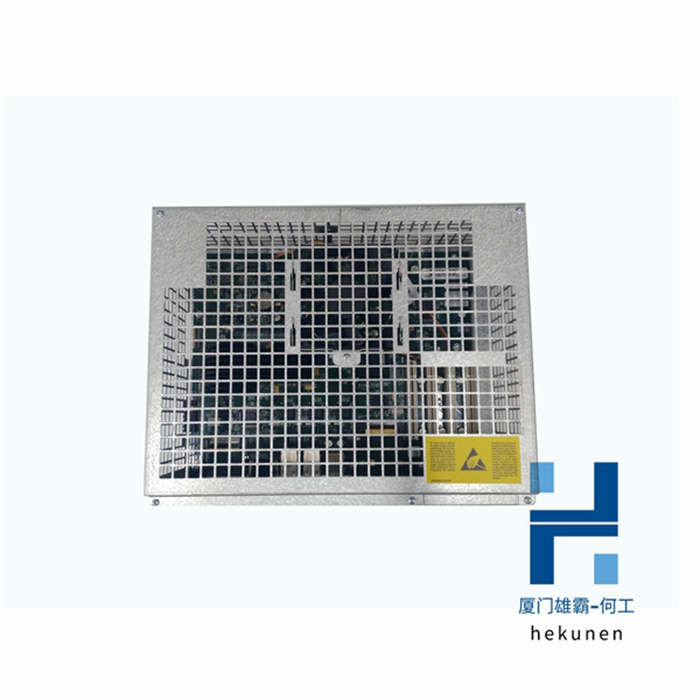
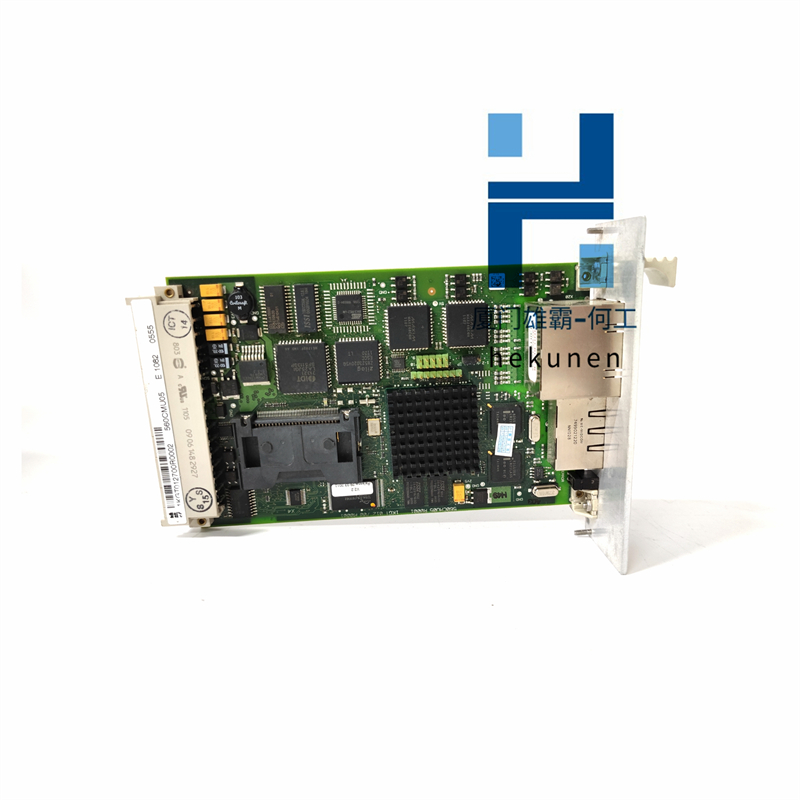
型号: GJR2391500R1210
分类: ABB系统备件
联系人:何经理
手机:13313705507
QQ:2235954483
邮箱:2235954483@qq.com
地址:厦门市思明区吕岭路1733号万科创想中心2009室
在前面讨论的每个工业应用中,AIoT 都提供了降低劳动力成本、减少人为错误和优化预防性维护的能力。
“物联网”(AIoT)是指在物联网(IoT)应用中采用人工智能技术,以提高运营效率、人机交互以及数据分析和管理。但我们所说的人工智能到底是什么意思,它如何融入工业物联网?
人工智能 (AI) 是研究如何构建智能程序和机器来解决传统上通过人类智能执行的问题的一般科学领域。人工智能还包括机器学习 (ML),它是 AI 的一个特定子集,它使系统能够通过经验自动学习和改进,而无需编程,例如通过各种算法和神经网络。另一个相关术语是“深度学习”(DL),它是机器学习的一个子集,其中多层神经网络从大量数据中学习。
由于 AI 是一门如此广泛的学科,因此以下讨论将重点关注计算机视觉或 AI 驱动的视频分析(通常与 ML 结合使用的 AI 的其他子领域)如何用于工业应用中的分类和识别。
从远程监控和预防性维护中的数据读取,到智能交通系统中控制交通信号的车辆识别,再到农业无人机和户外巡逻机器人,再到高尔夫球和其他产品中微小缺陷的自动光学检测 (AOI),计算机视觉和视频分析正在为工业应用释放更高的生产力和效率。
如前所述,IIoT 系统的扩散正在产生大量数据。例如,大型炼油厂中的大量传感器和设备每天会生成 1 TB 的原始数据。
立即将所有这些原始数据发送回公共云或私有服务器进行存储或处理将需要相当大的带宽、可用性和功耗。在许多工业应用中,尤其是位于偏远地区的高度分布式系统中,不可能将大量数据持续发送到中央服务器。
即使一个系统有足够的带宽和足够的基础设施,部署和维护成本非常高,数据传输和分析仍然会有很大的延迟。任务关键型工业应用程序必须能够尽快分析原始数据。
为了减少延迟、降低数据通信和存储成本并提高网络可用性,IIoT 应用正在将 AI 和机器学习能力转移到网络边缘,以直接在现场启用更强大的预处理能力。更具体地说,边缘计算处理能力的进步使 IIoT 应用程序能够利用远程位置的人工智能决策能力。
事实上,通过将现场设备连接到配备强大本地处理器和人工智能的边缘计算机,用户不再需要将所有数据发送到云端进行分析。事实上,到 2025 年,在远边缘和近边缘站点创建和处理的数据预计将从 10% 增加到 75%,预计从 2019 年到 2019 年,整体边缘 AI 硬件市场的复合年增长率为 20.64% 2024 年。
在将人工智能引入工业物联网应用时,需要考虑几个关键问题。尽管训练 AI 模型所涉及的大部分工作仍然在云端进行,但终还是需要在现场部署经过训练的推理模型。
AIoT 边缘计算本质上可以在现场进行 AI 推理,而不是将原始数据发送到云端进行处理和分析。为了有效地运行 AI 模型和算法,工业 AIoT 应用程序需要一个可靠的边缘硬件平台。要为 AIoT 应用选择合适的硬件平台,请考虑以下因素。
一般来说,AIoT 计算的处理要求与需要多少计算能力以及 CPU 或加速器有关。由于构建 AI 边缘计算应用程序的以下三个阶段中的每一个阶段都使用不同的算法来执行不同的任务,因此每个阶段都有自己的一组处理要求。
此阶段的目标是获取大量信息来训练 AI 模型。仅原始的、未处理的数据是没有帮助的,因为信息可能包含重复、错误和异常值。在初始阶段预处理收集的数据以识别模式、异常值和缺失信息还允许用户纠正错误和偏差。根据所收集数据的复杂程度,通常用于数据收集的计算平台通常基于 Arm Cortex 或 Intel Atom/Core 处理器。一般来说,I/O 和 CPU 规格(而不是 GPU)对于执行数据收集任务更为重要。
我司产品广泛应用于数控机械 冶金,石油天然气,石油化工,
化工,造纸印刷,纺织印染,机械,电子制造,汽车制造,
塑胶机械,电力,水利,水处理/环保,市政工程,锅炉供暖,能源,输配电。
As previously mentioned, the proliferation of IIoT systems is generating massive amounts of data. For example, the multitude of sensors and devices in a large oil refinery generates one TB of raw data per day.
Immediately sending all this raw data back to a public cloud or private server for storage or processing would require considerable bandwidth, availability, and power consumption. In many industrial applications, especially highly distributed systems located in remote areas, constantly sending large amounts of data to a central server is not possible.
Even if a system had the bandwidth and sufficient infrastructure, which would be incredibly costly to deploy and maintain, there would still be substantial latency in data transmission and analysis. Mission-critical industrial applications must be able to analyze raw data as quickly as possible.
In order to reduce latency, reduce data communication and storage costs, and increase network availability, IIoT applications are moving AI and machine learning capabilities to the edge of the network to enable more powerful preprocessing capabilities directly in the field. More specifically, advances in edge computing processing power have enabled IIoT applications to take advantage of AI decision-making capabilities in remote locations.
Indeed, by connecting field devices to edge computers equipped with powerful local processors and AI, users no longer need to send all of the data to the cloud for analysis. In fact, the data created and processed at the far-edge and near-edge sites is expected to increase from 10% to 75% by 2025, and the overall edge AI hardware market is expected to see a CAGR of 20.64% from 2019 to 2024.
When it comes to bringing artificial intelligence to industrial IoT applications, there are several key issues to consider. Even though most of the work involved with training AI models still takes place in the cloud, eventually there will be a need to deploy trained inferencing models in the field.
AIoT edge computing essentially enables AI inferencing in the field rather than sending raw data to the cloud for processing and analysis. In order to effectively run AI models and algorithms, industrial AIoT applications require a reliable hardware platform at the edge. To choose the right hardware platform for an AIoT application, consider the following factors.
Generally speaking, processing requirements for AIoT computing are concerned with how much computing power is needed along with a CPU or accelerator. Since each of the following three phases in building an AI edge computing application uses different algorithms to perform different tasks, each phase has its own set of processing requirements.
如果您有任何问题,请跟我们联系!
联系我们