
服务热线
13313705507
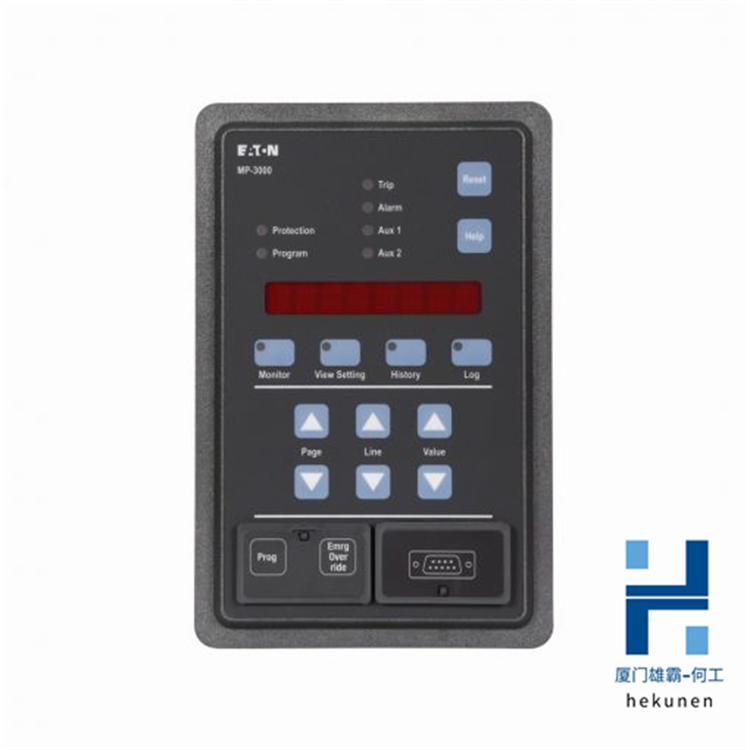
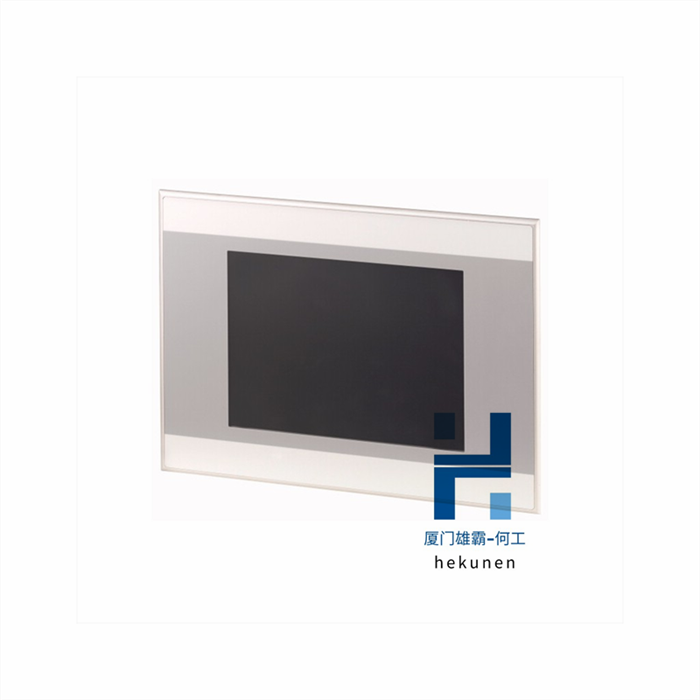
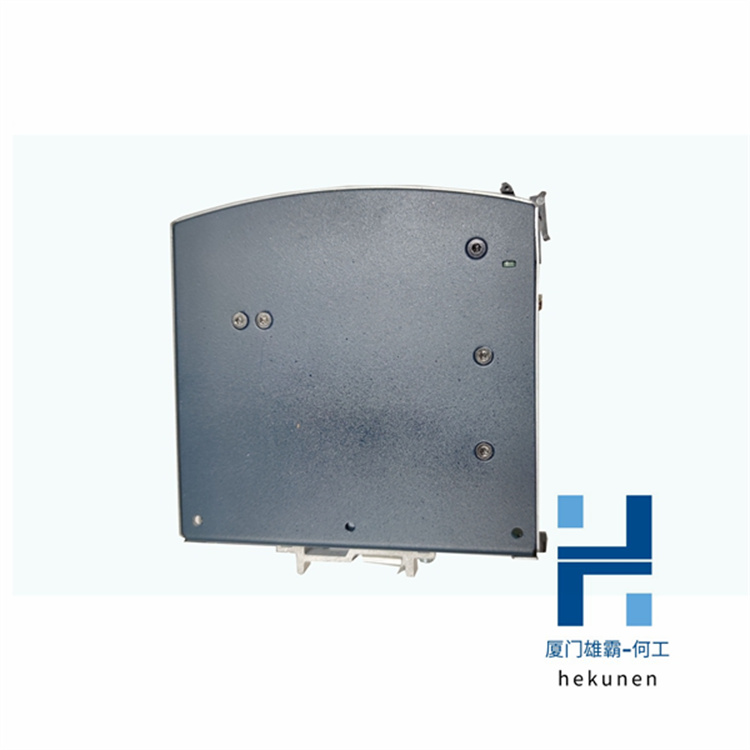
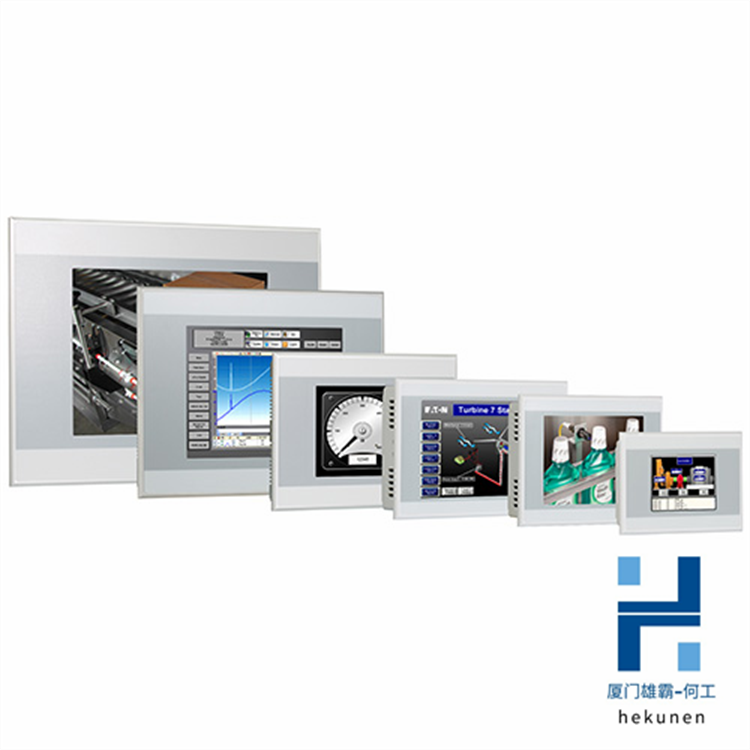
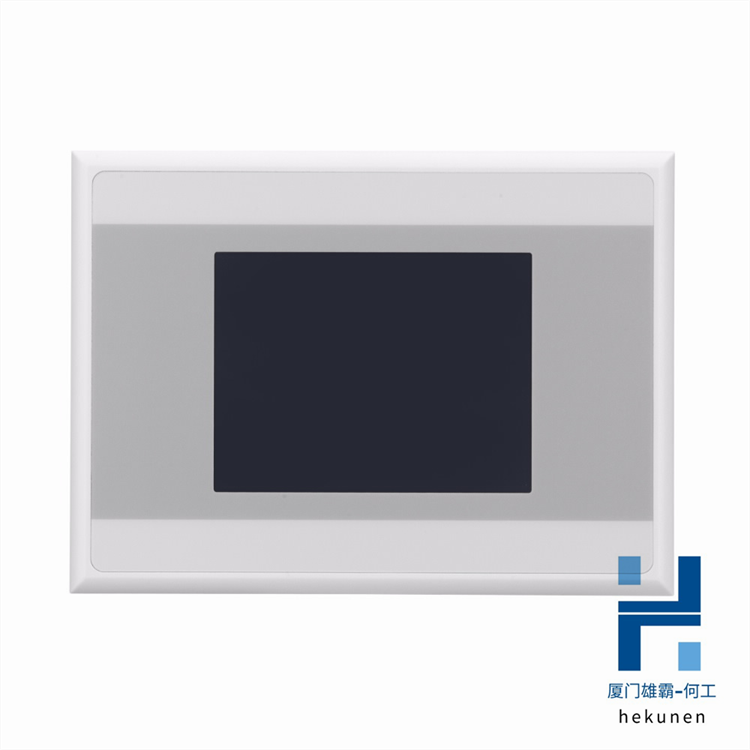
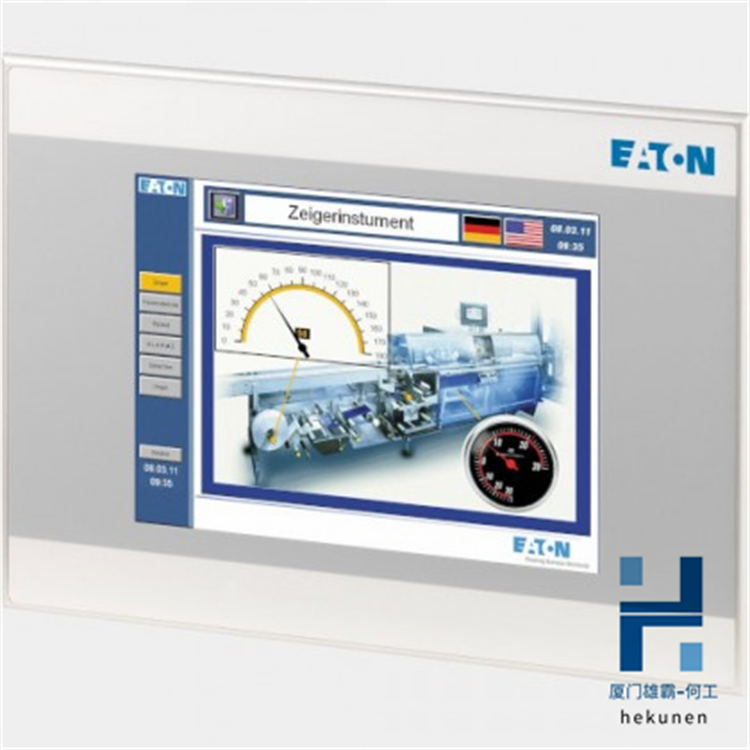
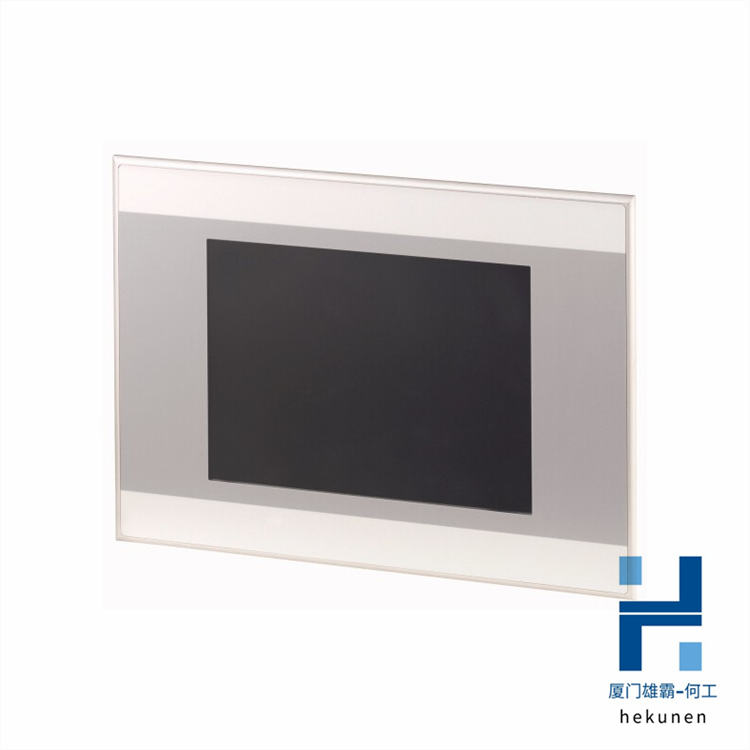
型号: MP4114
分类: 其他
联系人:何经理
手机:13313705507
QQ:2235954483
邮箱:2235954483@qq.com
地址:厦门市思明区吕岭路1733号万科创想中心2009室
基于以太网 TCP 或 UDP IP 的 EtherNet/IP 是自动化行业通信的堆栈扩展。EtherNet/IP 中的“IP”代表工业协议。EtherNet/IP 由 ODVA 于 2000 年底引入。在 EtherNet/IP 中,已在 ControlNet 和 DeviceNet 中使用的上层控制和信息协议 (CIP) 分别适用于以太网 TCP/IP 和 UDP/IP。
EtherNet/IP 的规范是公开且免费的。除了 HTTP、FTP、SMTP 和 SNMP 等典型办公应用程序之外,EtherNet/IP 还提供生产者/消费者服务,允许在控制设备和 I/O 设备之间传输时间关键型消息。非循环消息(程序上传/下载、配置)的安全数据传输将使用 TCP 实现,循环控制数据的时间关键传输将由 UDP 堆栈处理。为了减少 EtherNet/IP 的实施工作,已经为不同类型的设备(例如气动阀、交流驱动器、定位 PLC)预定义了标准设备配置文件。CIPsync是CIP的一个扩展,使用基于IEEE 1588标准的方法在分布式系统中实现时间同步机制。
在 ETHERNET Powerlink 中,第 3 层和第 4 层中的 TCP(和 UDP)IP 堆栈由 Powerlink 协议扩展。另一个中间件基于 TCP(和 UDP)IP 以及 Powerlink 堆栈(异步数据传输)。此外,还有一个用于快速循环数据传输(同步数据传输)的堆栈。Powerlink 堆栈完全控制网络上的数据流量。该方法称为时隙通信网络管理 (SCNM),以提供以太网的实时能力。每个站都具有定时和严格限制的通信权限,并且可以向网络内的其他站发送数据。在特定时间,只有一个站点可以访问总线,因此不可能发生冲突,从而实现严格的确定性性能。除了用于同步数据传输的这些单独的时隙之外,
扩展版本(版本 2)包含基于 CANopen(与 CAN in Automation (CiA) 组合作)的通信和设备配置文件。ETHERNET Powerlink 第 3 版包括基于 IEEE 1588 的时间同步机制。
德国公司 Jetter 提供了一种通过以太网 TCP/IP 进行同步的方法,它称之为 JetSync。它使用类似于 IEEE 1588 的进程,但也支持异步通信。该公司声称,其系统比使用严格的同步时隙方法实现的结构更加开放和灵活。
JetSync 支持运动控制应用以及通过 TCP/IP 传输普通异步数据。该公司表示,这实现了使用标准组件在 PLC、驱动器、远程 I/O 模块和 SCADA 组件之间进行通信的兼容性。Jetter 声称,仅使用在标准以太网基础设施上运行的 TCP/IP 就可以将运动轴同步到优于 10 的轴抖动。
近合并的 Modbus-IDA 集团正致力于进一步开发用于使用 Modbus/TCP 作为消息结构的分布式控制系统的 IDA 架构。
Modbus/TCP 是 Modbus 协议的衍生,开放规范基于以太网和标准 TCP/IP,直接安装在第 4 层。它为主从通信定义了一种结构简单、开放且广泛使用的传输协议。
IDA 不仅仅是一个协议(如 Modbus),而是一个集成了分布式和智能自动化方法的综合接口。IDA 方法包含控制系统、通信服务和设备/软件接口的整个架构。它提供水平和垂直集成,并广泛使用 Web 服务。
IDA 架构同时考虑了实时和非实时通信。确定性方面将通过直接安装在 TCP/UDP 堆栈上的 IDA 中间件来实现。中间件包含 Modbus/TCP 协议作为标准。非实时和基于 Web 的通信使用 TCP/IP 堆栈。用于设备和系统操作的诊断和数据编程、参数设置等将使用 IT 标准协议 HTTP、FTP 和 SNMP 交付。IDA 方法保证了无缝通信架构(垂直和水平),而 Modbus/TCP 的结合为智能传感器等各种设备开辟了市场。
我司产品广泛应用于数控机械 冶金,石油天然气,石油化工,
化工,造纸印刷,纺织印染,机械,电子制造,汽车制造,
塑胶机械,电力,水利,水处理/环保,市政工程,锅炉供暖,能源,输配电。
The German company Jetter offers a method of synchronisation via Ethernet TCP/IP which it calls JetSync. It uses processes similar to IEEE 1588 but also supports asynchronous communication. The company claims that its system leads to a more open and flexible structure than that achieved by using strict synchronisation time-slot methods.
JetSync supports motion control applications as well as transmission of ordinary asynchronous data through TCP/IP. This, says the company, achieves compatibility using standard components for communication between PLCs, drives, remote I/O modules and SCADA components. Jetter claims that synchronisation of motion axes to better than 10�s axis jitter can be achieved just using TCP/IP alone running on a standard Ethernet infrastructure.
The recently merged Modbus-IDA Group is working towards further development of the IDA architecture for distributed control systems using Modbus/TCP for the message structure.
Modbus/TCP is a derivative of the Modbus protocol and the open specification, based on Ethernet and standard TCP/IP, mounts directly on Layer 4. It defines a simple structured, open and widely used transmission protocol for a master-slave communication.
IDA is not only a protocol (like Modbus), but a comprehensive interface that integrates methods for distributed and intelligent automation. The IDA approach takes in the entire architecture of the control system, communication services and device/software interface. It provides both horizontal and vertical integration and makes extensive use of Web Services.
IDA architecture takes account of both real-time as well as non realtime communication. The deterministic aspects will be realised through IDA middleware which is directly mounted on the TCP/UDP stack. The middleware contains the Modbus/TCP protocol as a standard. Non real-time and web-based communication uses the TCP/IP stack. Diagnostics and data programming, parameterisation, etc, for operation of devices and systems will be delivered using the IT standard protocols HTTP, FTP and SNMP. The IDA approach promises a seamless communication architecture (vertical and horizontal) while incorporation of Modbus/TCP opens up the market for a variety of devices such as intelligent sensors.
如果您有任何问题,请跟我们联系!
联系我们